
Why go
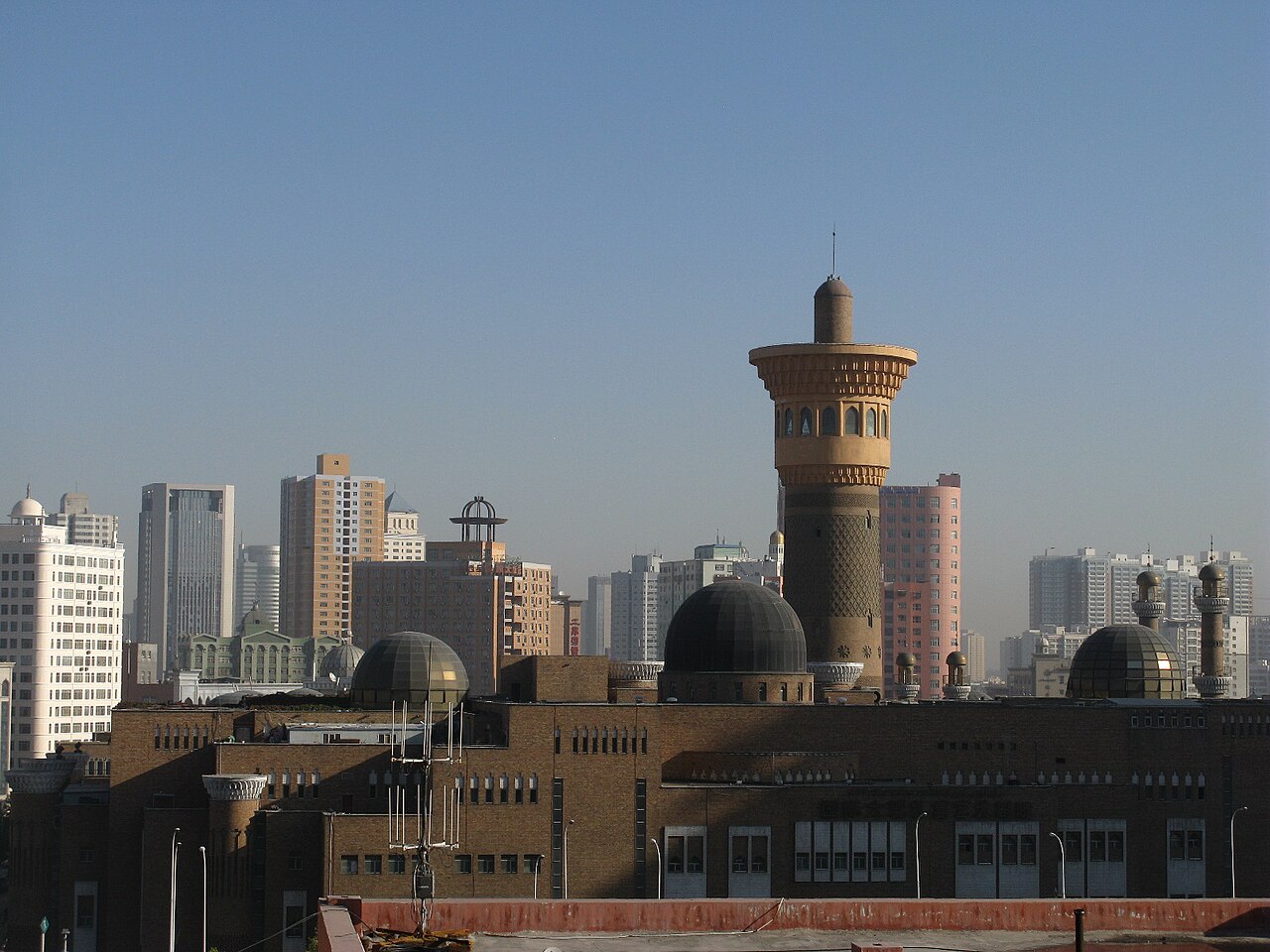
The Grand Bazaar is the tourist-facing face of a trading city: a walled complex of minaret-style towers selling carpets, kilims, dried apricots, spices and naan hot from tandoor ovens, with evening Uyghur dance shows. The surrounding streets are where the real commerce happens.
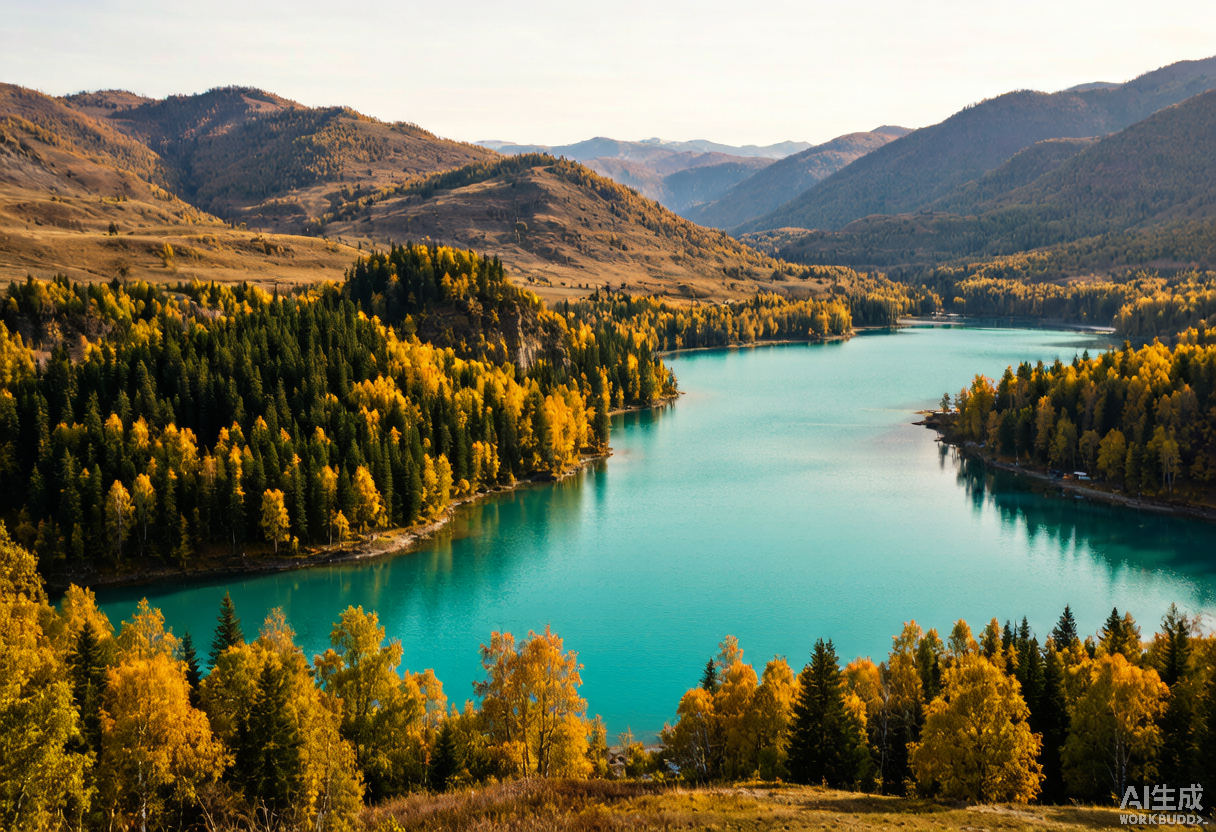
The Xinjiang Museum downtown holds the Tarim Basin mummies — 3,800-year-old Caucasoid burials preserved by desert salts — plus superb Silk Road textiles and documented multilingual scripts. For scenery, Tianshan Heavenly Lake sits under snow peaks an hour and a half east, reachable by shuttle bus from the city.
- International Grand Bazaar — minaret towers, carpets, dried fruit, naan
- Xinjiang Museum — Silk Road artefacts and the Tarim mummies
- Tianshan Heavenly Lake — 1,900 m alpine lake under Bogda Peak
- The freshest lamb skewers and pilaf on earth
Where to go
Day one: museum at opening, bazaar in the afternoon and evening. Day two: Heavenly Lake, or a train to Turpan's ancient cities and karez wells.
What to eat
Lamb skewers over charcoal with cumin and chilli; big-plate chicken (dapanji); hand-pulled laghman noodles; pilaf (polo) with carrots and lamb; samsa baked pastries; and infinite melons and grapes in season.
Getting there
- Ürümqi Diwopu airport is the region's hub; flying is usually faster than long rail rides
- Role
- Capital of Xinjiang region
- From the sea
- The most inland major city on earth (~2,500 km)
- Documents
- Passport needed; border areas need extra permits