Why go
The Capital Museum's great strength is focus: everything here belongs to Beijing. You see the city grow from a walled frontier town to Kublai Khan's Dadu, then to the Ming-Qing capital whose outline you can still walk today.
- The Beijing Folk Customs gallery — hutong life, weddings, and festival traditions
- An outstanding collection of Ming and Qing porcelain and Buddhist statuary
- The five-hall historical exhibition tracing the city from Ji to Beijing
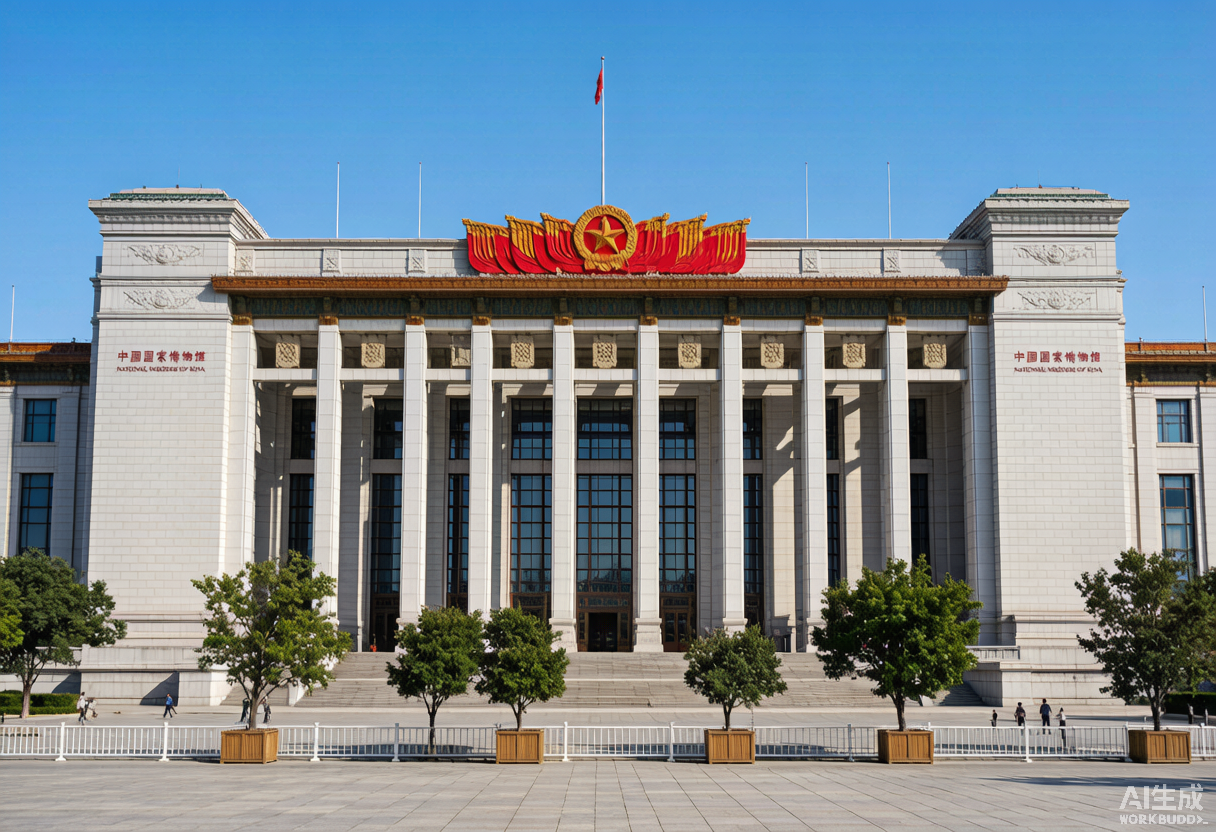
- Free entry and far shorter queues than the National Museum
What to look for
Go straight up to the Ancient Capital: Beijing exhibition on the upper floors — its model of Yuan-dynasty Dadu is the single best orientation tool for understanding modern Beijing's street grid. The porcelain hall has superb Ming blue-and-white, and the Buddhist art gallery holds gilt bronzes recovered from Beijing temples. Leave time for the folk customs floor, which reconstructs hutong courtyard life with shop signs, wedding sedan chairs, and New Year prints.
Plan your visit
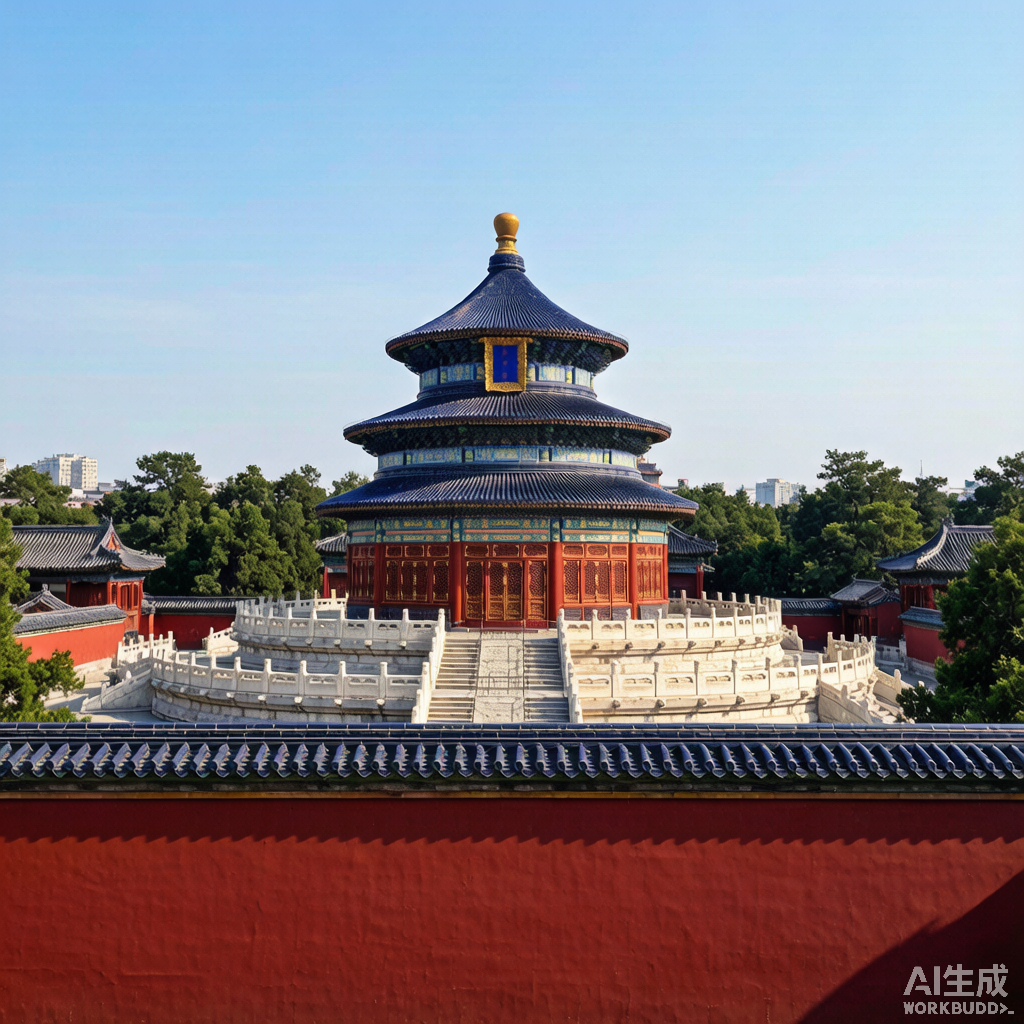
Two to three hours is enough. The museum is fully wheelchair accessible and has good English throughout. Since it's inside the Second Ring Road, it pairs naturally with the Temple of Heaven or a hutong walk around Dashilar. Reserve your free ticket online a day or two ahead — walk-ups are usually fine on weekdays but not in holiday weeks.
Getting there
- Metro Line 7 to Guang'anmennei, then a 10-minute walk north; or bus 56/61 to the museum stop. It sits just inside the southwest Second Ring Road
- Opened
- 2006 (new building)
- Collection
- 200,000+ objects, all Beijing-related
- Admission
- Free (passport + reservation)