
Why go
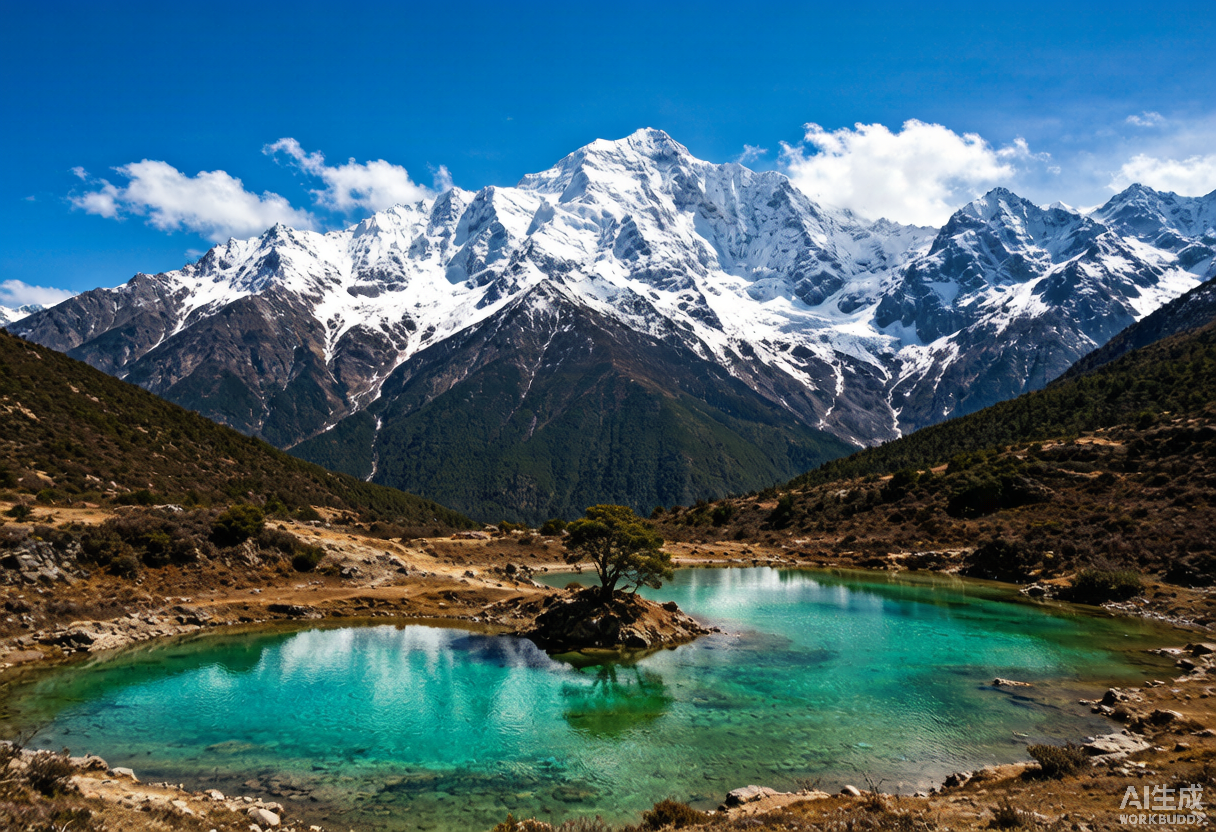
Meili is a massif of sacred geography. Kawagebo — 6,740 metres, the highest of the range — is a deity mountain to Tibetans, and climbing it is both forbidden and, since the 1991 expedition in which 17 climbers died in an avalanche, effectively cursed. The mountain's power is meant to be witnessed, not conquered.
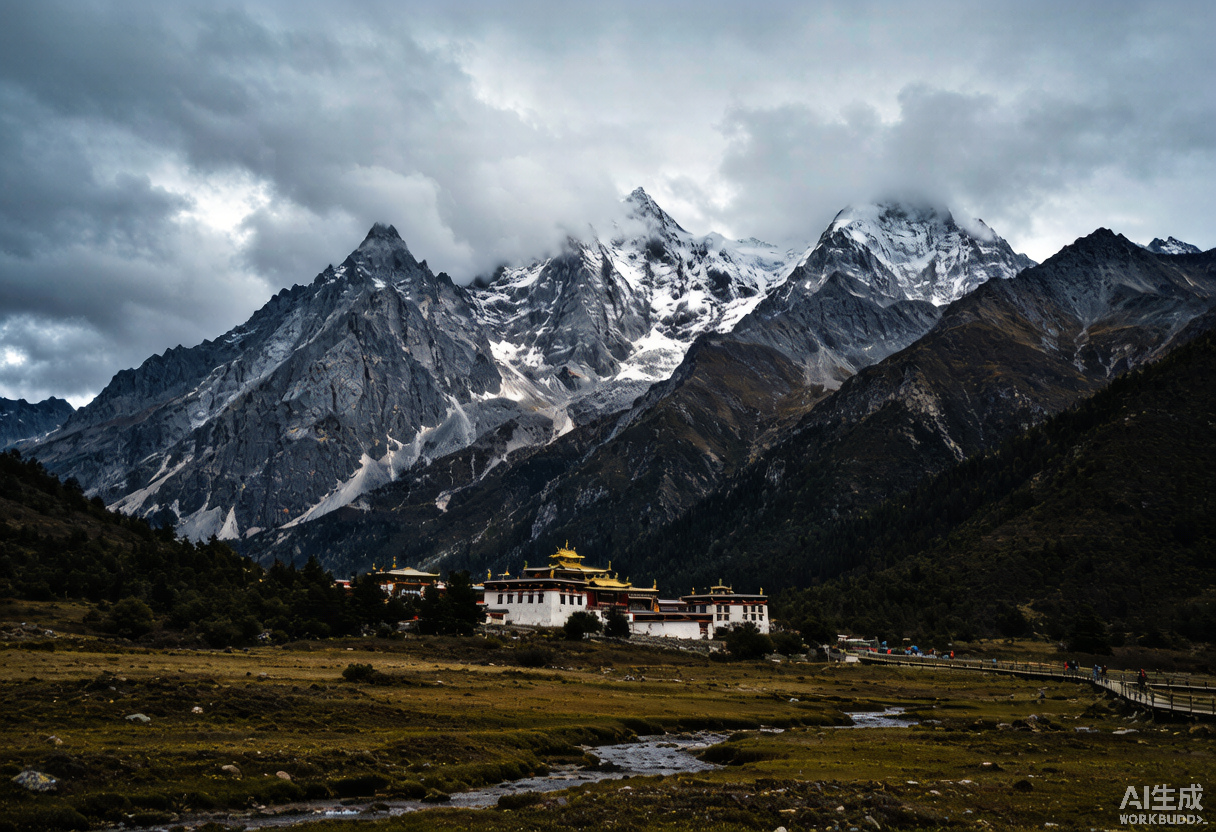
Feilai Temple's roadside viewpoint is where witness happens: a low terrace across from the whole snow wall, and at first light the peaks flaring gold. Pilgrims circle the mountain in a kora that takes weeks; visitors take the shorter path of the Yubeng valley trek, threading through forests and over passes to the base of the glaciers.
- Golden sunrise on Kawagebo from Feilai Temple — the quintessential Meili moment
- The 13 snow peaks of the Meili chain, lined up like a white wall
- The Yubeng trek: a 3–4 day circuit to glacier viewpoints and waterfalls below the peaks
- The Wuming and Mingyong glacier tongues pushing down into the green valley
The Yubeng trek
Yubeng, reached by a rough road from Deqin then a 4–6 hour hike over the pass, is a village of guesthouses at the mountain's feet. From it, day treks reach the waterfall of the sacred Shenpu, the ice lake, and the glaciers. It is high (3,000–4,200 m), weather-dependent and unforgettable — hire a local guide, pack warm, and be flexible.
Practical tips
The classic photo is from Feilai Temple: arrive the night before, check the cloud forecast, and be on the terrace by 7:00. Bring a telephoto lens. October–December is the most reliable window; May–September brings the monsoon and stubborn cloud.
Getting there
- Bus or private car from Shangri-La to Deqin/Feilai (~3–4h)
- Main peak
- Kawagebo, 6,740 m — sacred and unclimbed
- Viewpoint
- Feilai Temple, the sunrise terrace
- Trek
- Yubeng valley circuit, 3–4 days