
Why go
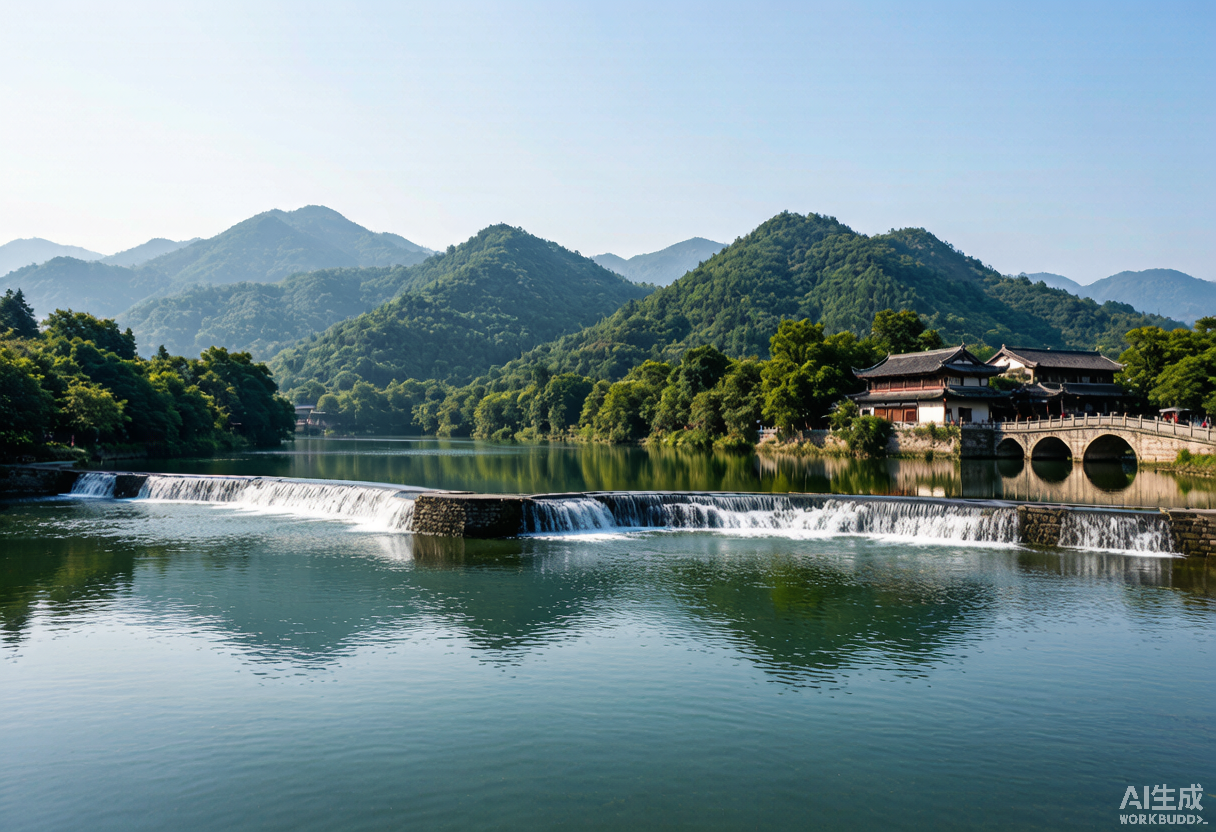
The Min River comes off the Tibetan plateau in destructive spates, and for centuries it drowned the Chengdu plain. Li Bing's solution, built around 256 BCE, was to divide it without a single dam wall: a long levee splits the current, a rock-cut channel vents sediment to the waste river, and the deepened outer channel takes the clean flow east to the plain. The system still waters some 670,000 hectares today, which is why UNESCO listed it in 2000 as living engineering, not ruins.
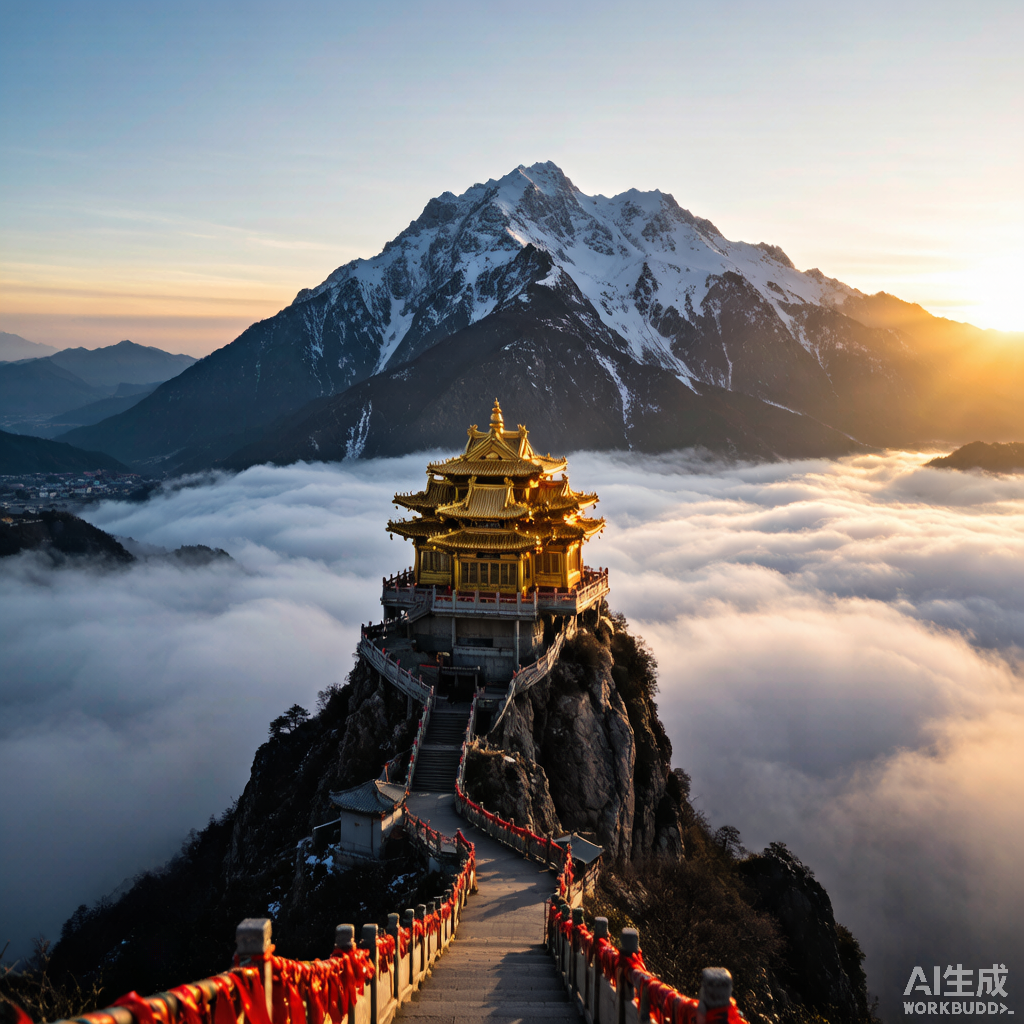
Across the valley, Qingcheng Mountain — 'the most secluded mountain under heaven' — is where the Taoist master Zhang Daoling founded organised Taoism in the 2nd century CE. Its front slope is a green tunnel of bamboo, grottoes and small temples; the back mountain is wilder hiking with waterfalls.
- Walk the Anlan rope bridge, swaying on cables over the gushing Min River weir
- The Fish Mouth levee — the wedge that has split the river into two channels for 23 centuries
- Qingcheng's front mountain: temples folded into ravines under a canopy of bamboo and cypress
- 45 minutes from Chengdu by high-speed train; pair with the panda base or Shu remains museums in a long day
Seeing Dujiangyan
Start at Lidui Park and follow the water: the Baopingkou channel cut through solid rock, the Feishayan spillway, then the Anlan rope bridge across to the Fish Mouth levee itself. The visitor path then climbs Erwang Temple on the hillside above, dedicated to Li Bing and his son, with the whole river engineering laid out below. Watch the water at the Fish Mouth — the deliberate turbulence is the design working, 2,300 years on.
Qingcheng Mountain
Do the front mountain for temples and atmosphere: a stone path climbs through alternating shade and shrine clearings to Shangqing Palace, with a cable car shortcut for the final stretch. Allow 3–4 hours round trip at a gentle pace. In summer the mountain runs 5–8 degrees cooler than Chengdu, making it the city's historic retreat — Taoist teahouses along the path still serve cucumber slices and cooling tea to climbers.
Getting there
- High-speed trains from Chengdu Xipu/Chengdu to Dujiangyan or Qingchengshan station, 30–50 minutes
- Both sites are a short taxi or bus hop from their stations
- Built
- c. 256 BCE by Li Bing, Qin state
- Still working
- Irrigates ~670,000 hectares today
- UNESCO
- World Heritage since 2000