
Why go
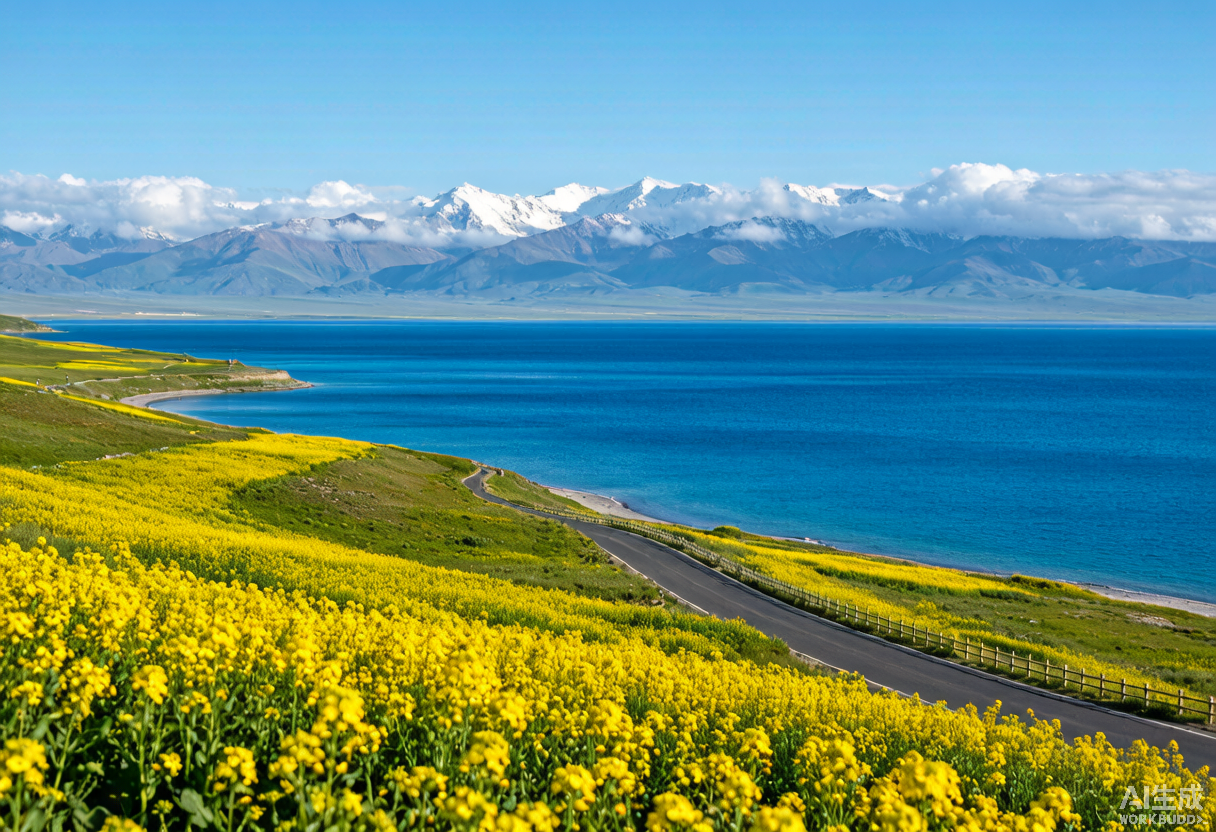
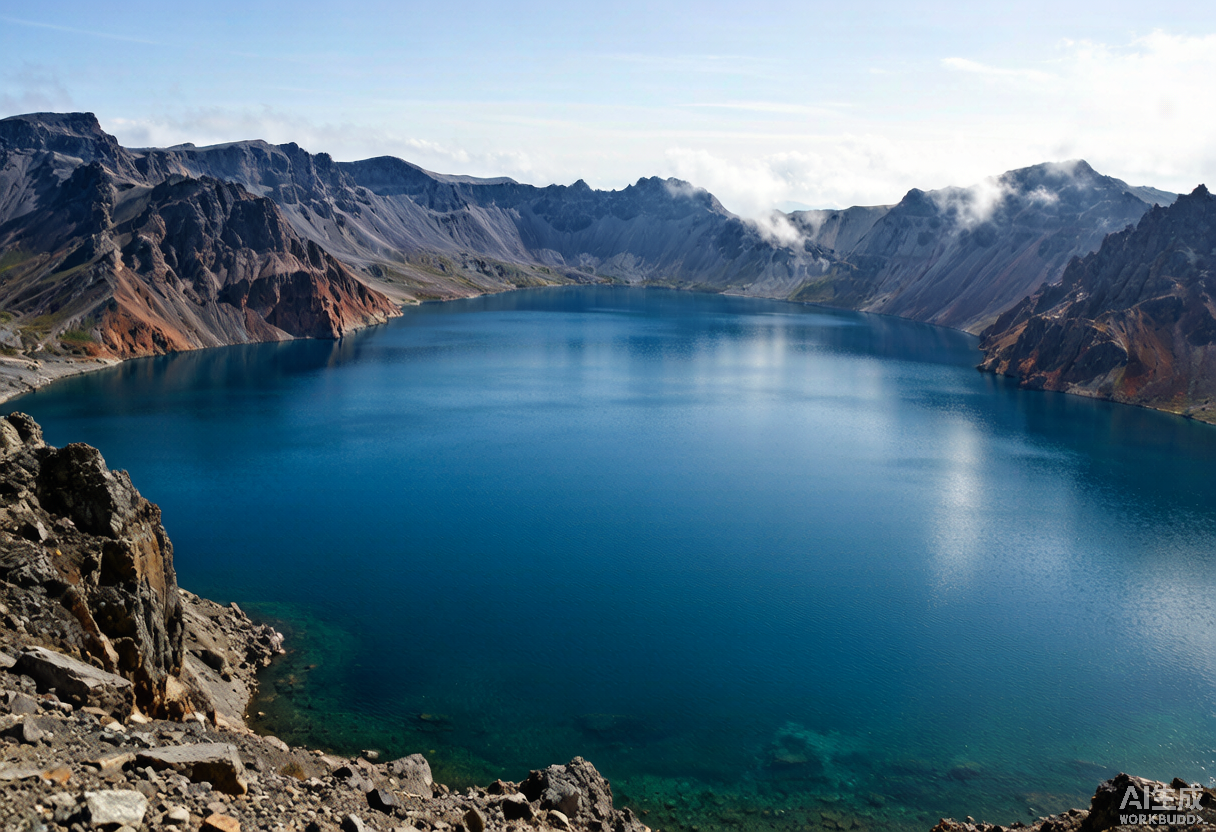
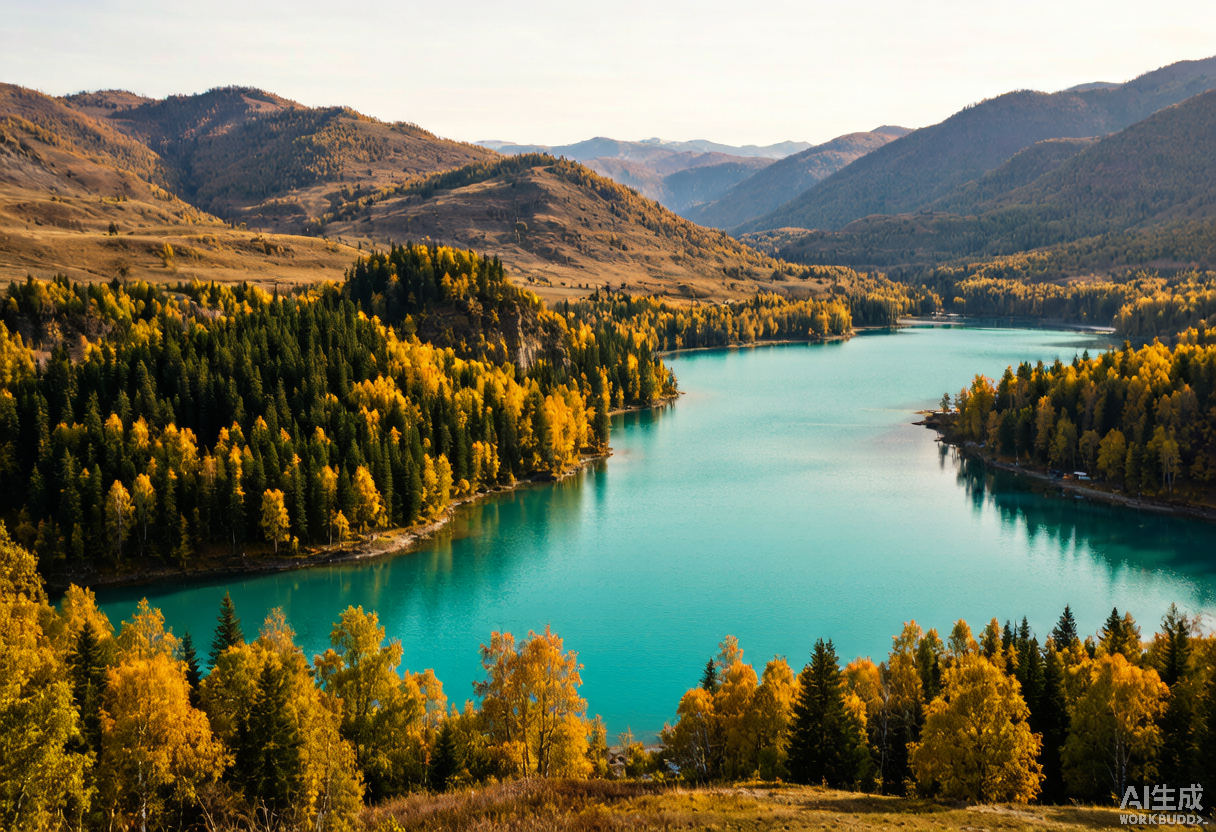
Kanas is the north end of the map: taiga forest, glacial water, and a lake 24 kilometres long that changes colour as glaciers melt into it through the summer. The legend of a monster in its depths — probably a big fish, nobody has proven otherwise — keeps the shoreline watchful.
Hemu, 30 kilometres away, is where the postcards come from: Tuva log cabins with smoke rising into birch forests, arguably the single most photographed village in Xinjiang.
- The colour-shifting lake surface, blue to green by season
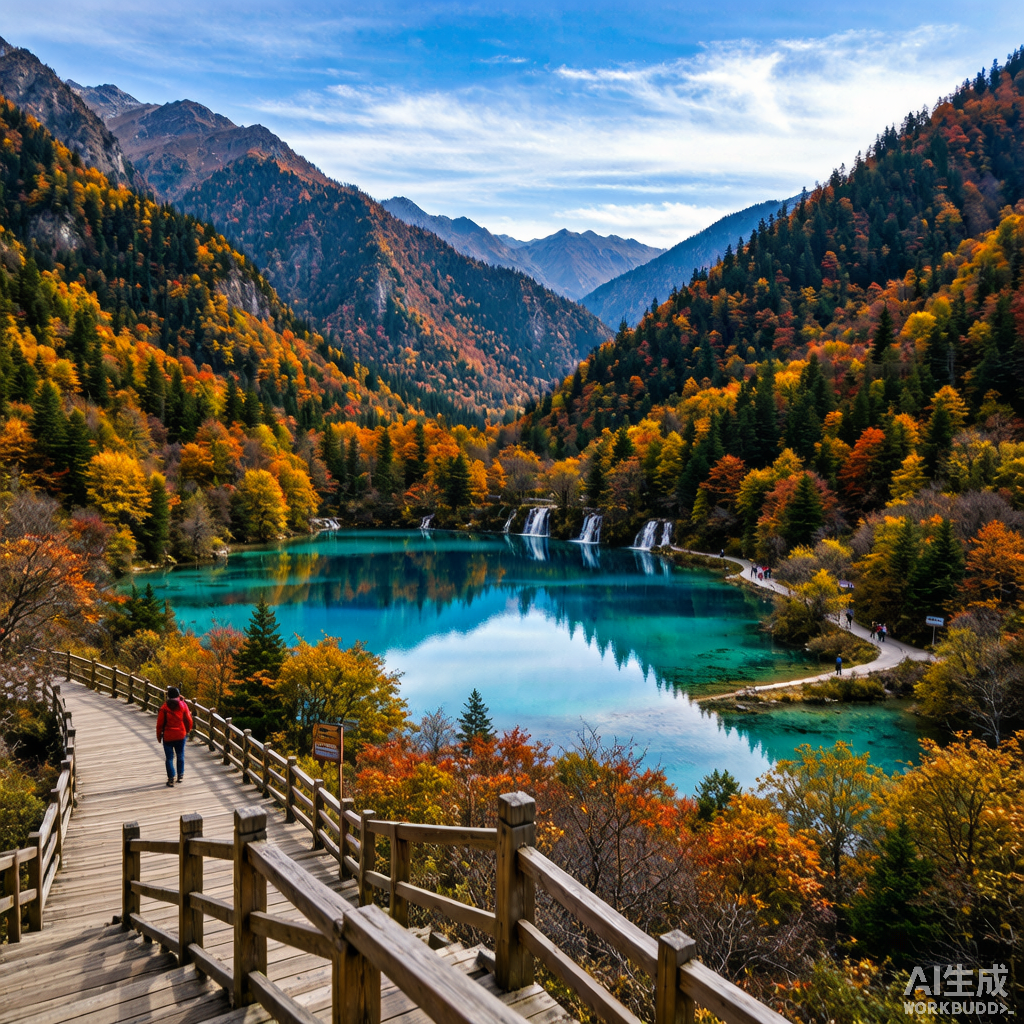
- Hemu village's Tuva log cabins — the classic autumn gold scene
- The Guanyutai platform hike for the full-lake view
- The 'lake monster' legend — and the boats that patrol anyway
Practical tips
Autumn is a lottery with two tickets: the colour peaks around mid-September to early October, and the crowds peak at the same moment. Sleep in Hemu to catch the cabins at first light. Boat tours on the lake run hourly; the walk to Guanyutai is 1,066 steps of switchbacks but worth it.
Nearby
The region runs on a triangle: Kanas lake, Hemu village, and the Baigouba scenic corridor between them. Altay city, 2h south, has an airport and an old town; the road in passes the Five Finger Mountain and the ghost town of Hemu's valley.
Getting there
- Fly to Burqin Kanas airport or Altay, then a shuttle to the park gate (~2h)
- Lake
- Glacier-fed, colour-changing alpine lake
- Village
- Hemu — Tuva log-cabin settlement
- Autumn
- Gold peak mid-Sep to early Oct