
Why go
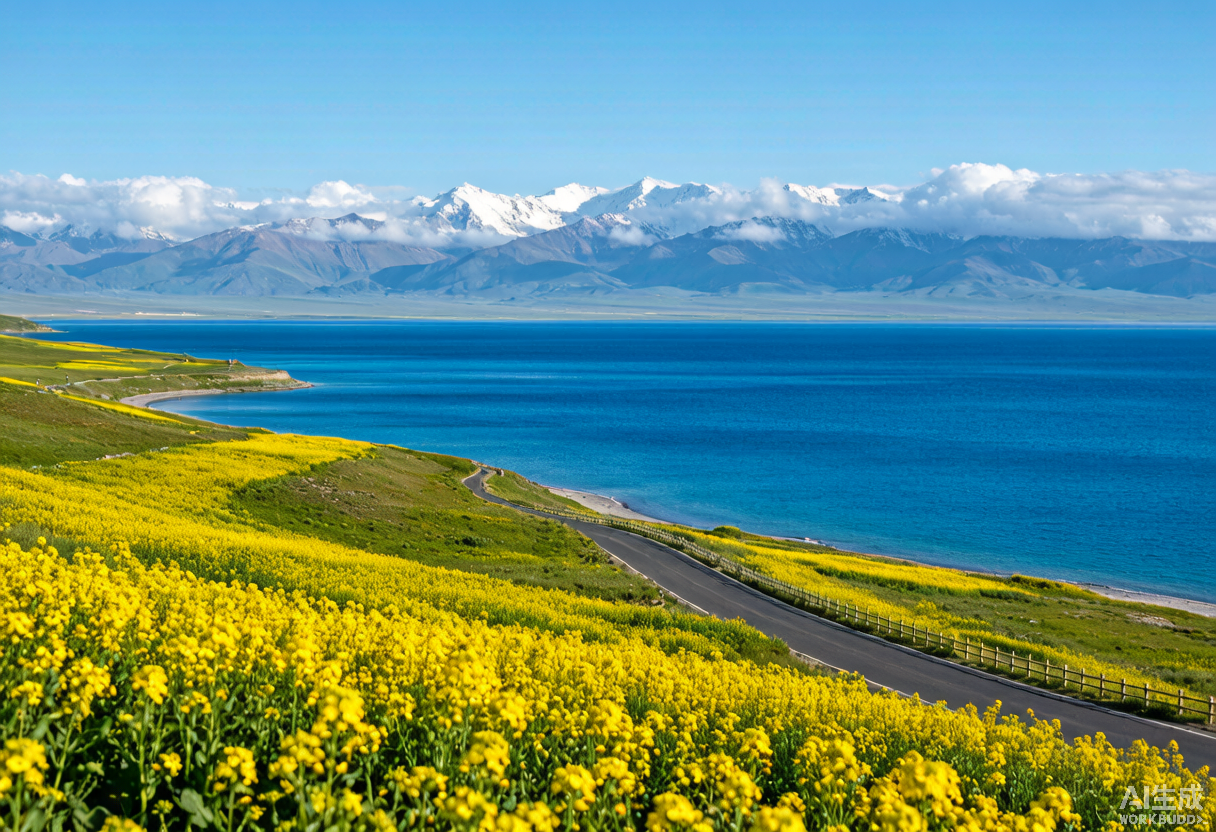
Namtso means 'Heavenly Lake' in Tibetan, and the name is not hyperbole. It is the second-largest salt lake on the plateau, nearly the size of a small country, its water shifting from turquoise to deep navy as clouds cross it. Tibetan pilgrims walk the shore on kora circuits, spinning prayer wheels and leaving stones on the cairns.
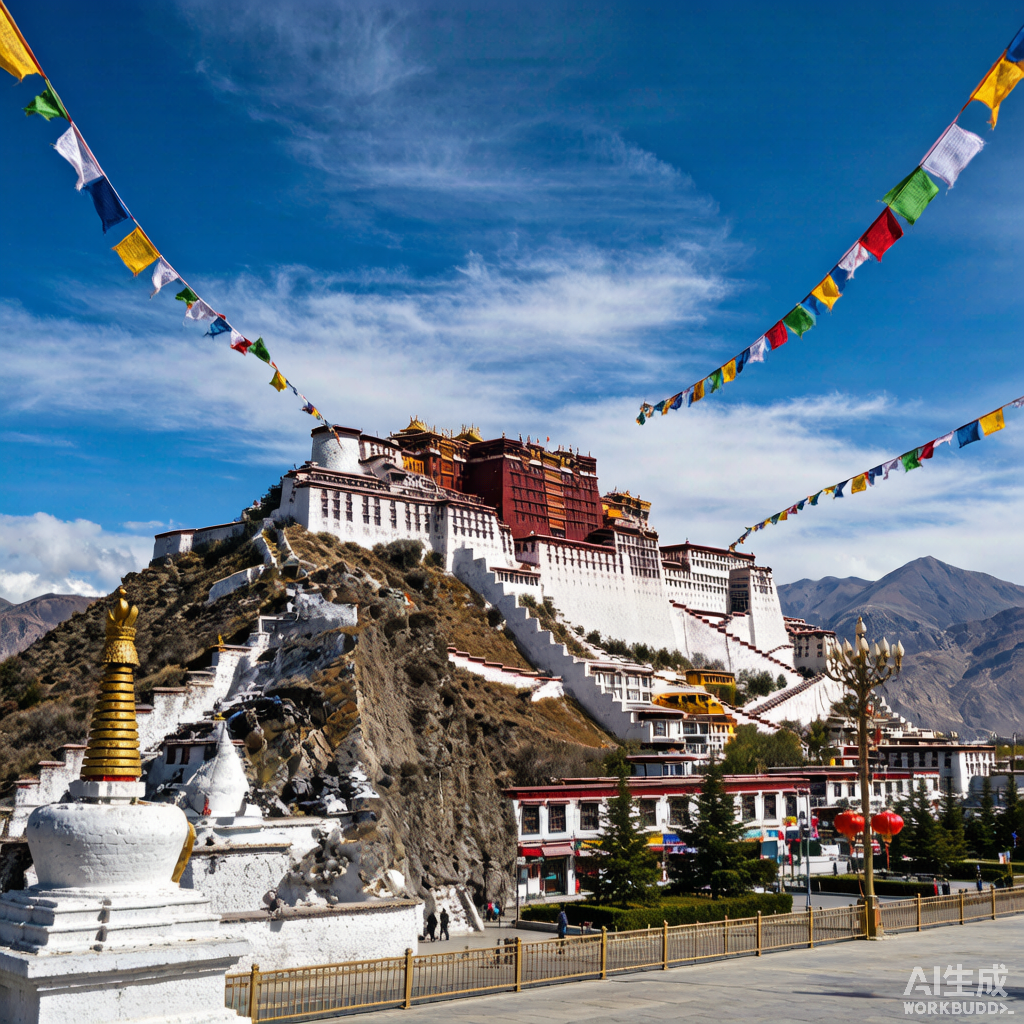
The Tashi Peninsula — the gateway, an hour's drive past the gate — holds the main temples, a scattering of guesthouses and the famous string of stupas that line the water. It is also where almost everyone photographs the lake.
- The Tashi Peninsula with its white stupas, cairns and kilometres of prayer flags
- Nyenchen Tanglha's 7,000-metre snow ridge hanging over the north shore
- Sunset and sunrise on the lake — the light changes the water from blue to violet
- A lakeside night in a guesthouse, the Milky Way overhead at 4,700 metres
Staying overnight
Overnight guesthouses on the peninsula are basic — heated yurts and dormitories, shared toilets, thin walls — and the altitude makes sleep hard. The payoff is a golden evening and a calm morning on an empty shore. Book ahead in July–August.
Practical tips
Temperatures fall below freezing at night even in summer; pack a down jacket. Wi-fi and phone signal are patchy. From October the snow can close Lakenla Pass for days at a time — check with your driver before committing in shoulder season.
Getting there
- Private vehicle or tour from Lhasa via Damxung (~4–5h one way)
- Altitude
- 4,718 m — one of the world's highest large lakes
- Status
- One of Tibet's three great holy lakes
- Pass
- Lakenla at 5,190 m on the access road