
Why go
The Chaoshan region (Chaozhou and Shantou) built its beef culture around slaughtering cattle locally each morning, so the meat is never aged or frozen — it is butchered, sliced and served within hours. This freshness is the entire philosophy. Each cut has its own name, its own grain, and its own few seconds in the pot.
The two sacred items are thin beef slices for quick blanching and the legendary niu wan — beef balls pounded by hand until the meat proteins bind into a bouncy, juicy sphere. A good one literally bounces like a ping-pong ball.
- The broth is deliberately plain — it exists only to showcase the beef
- Learn two cuts: niu rou (beef slices) and niu wan (hand-pounded beef balls)
- The famous beef balls are pounded by hand until they bounce
- Dip in the traditional sauce: satay, chilli and a dash of fish sauce
How to order and cook
Tell the waiter how many people are eating and let them assemble a platter of cuts — the lean tenderloin, the marbled chuck, the rare 'neck of the tongue' slice. Each cut cooks in 8–15 seconds in the boiling broth; over-cooking is the only sin. Between beef courses, sip the broth, which has become quietly sweet from the meat.
Where to find the best
Chaozhou and Shantou both claim the crown; Chaozhou's old city has famous names like Haiji (海记) beef hotpot. Beef balls are sold everywhere — look for shops that pound them in full view. A satisfying meal for two runs 150–250 RMB. Arrive before 18:00 on weekends; the best beef sells out first.
Getting there
- In Chaozhou, hotpot houses cluster in the old city and around the Kaishen Square area
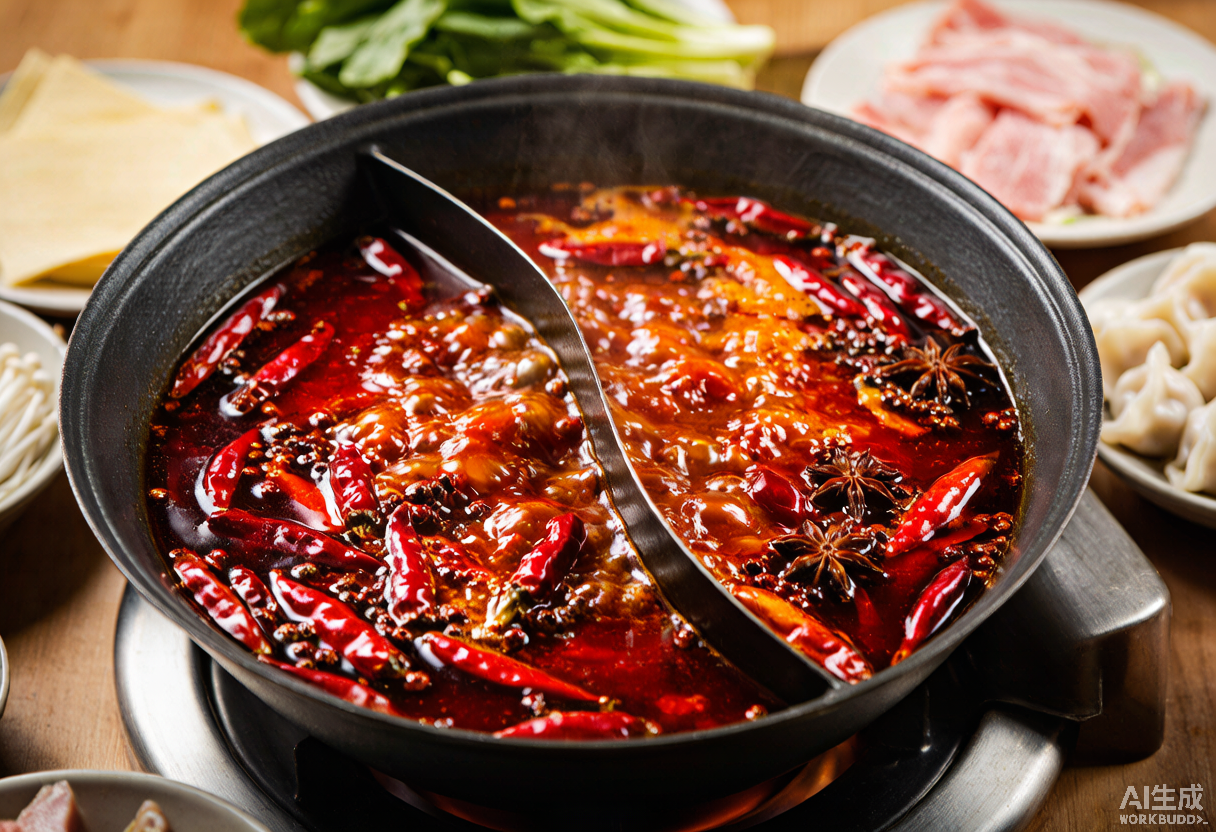
- Broth
- Clear — water, radish, corn, beef bones
- Star item
- Hand-pounded beef balls (niu wan)
- Price
- 150–250 RMB for two