
Why go
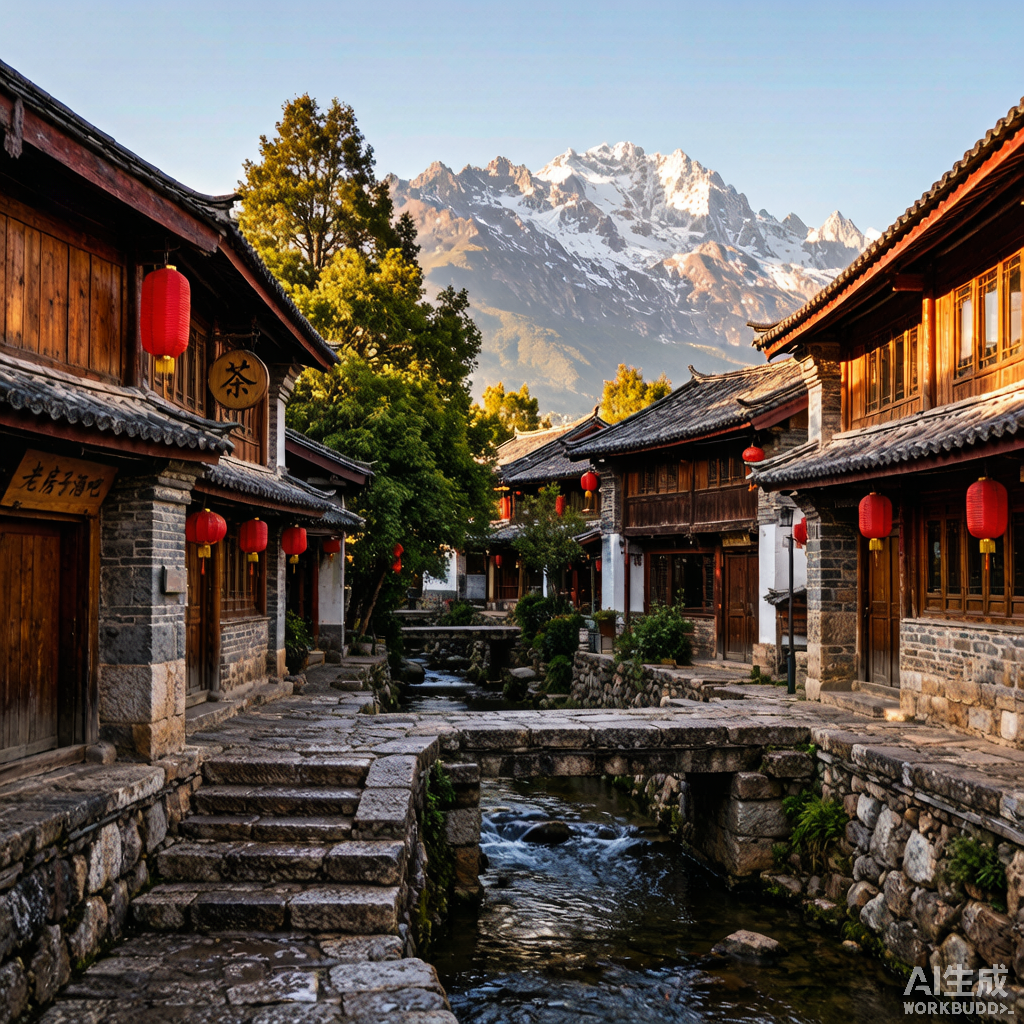
Dali is a city on a frame of 2,000 years: the Nanzhao kingdom in the Tang era, the Bai-ruled Dali kingdom in the Song, then a Ming re-foundation that laid out the grid of streets and gates you walk today. The walls survive, and the mountains behind them give the town its famous silhouette.
The old town is livelier and more Chinese than Lijiang — fewer trinket stalls and more cafés, guesthouses and locally owned shops. Foreigner Street still carries the backpacker heritage, while the grid beyond it holds temples, old courtyards and everyday Bai life.
- Walking the old city walls and the South Gate tower at dusk
- The Three Pagodas of Chongsheng Temple, just outside the west gate
- Bai tie-dye, silverwork and the three-course tea ceremony
- Erhai Lake by bicycle — the classic loop through rice fields
Where to go
Climb the South Gate tower for the view down the main street, then walk to the west gate for the classic shot of the Three Pagodas against Cangshan. Spend an afternoon in the museum and the old Bai courtyards around it. Finish with dinner on the main street and the wall at dusk.
Day trips
Rent a bicycle and ride to Caicun pier and along Erhai Lake — the rice-field views are the best in the region. Zhoucheng village, north of town, is the centre of Bai tie-dye. Cangshan's cable cars climb into the pine forest above the town when the weather is clear.
Getting there
- Train to Dali station, then taxi ~40 min
- Airport shuttle from Dali Airport, ~50 min
- History
- Nanzhao + Dali kingdoms
- People
- Bai minority culture
- Setting
- Cangshan Mts / Erhai Lake