
Why go
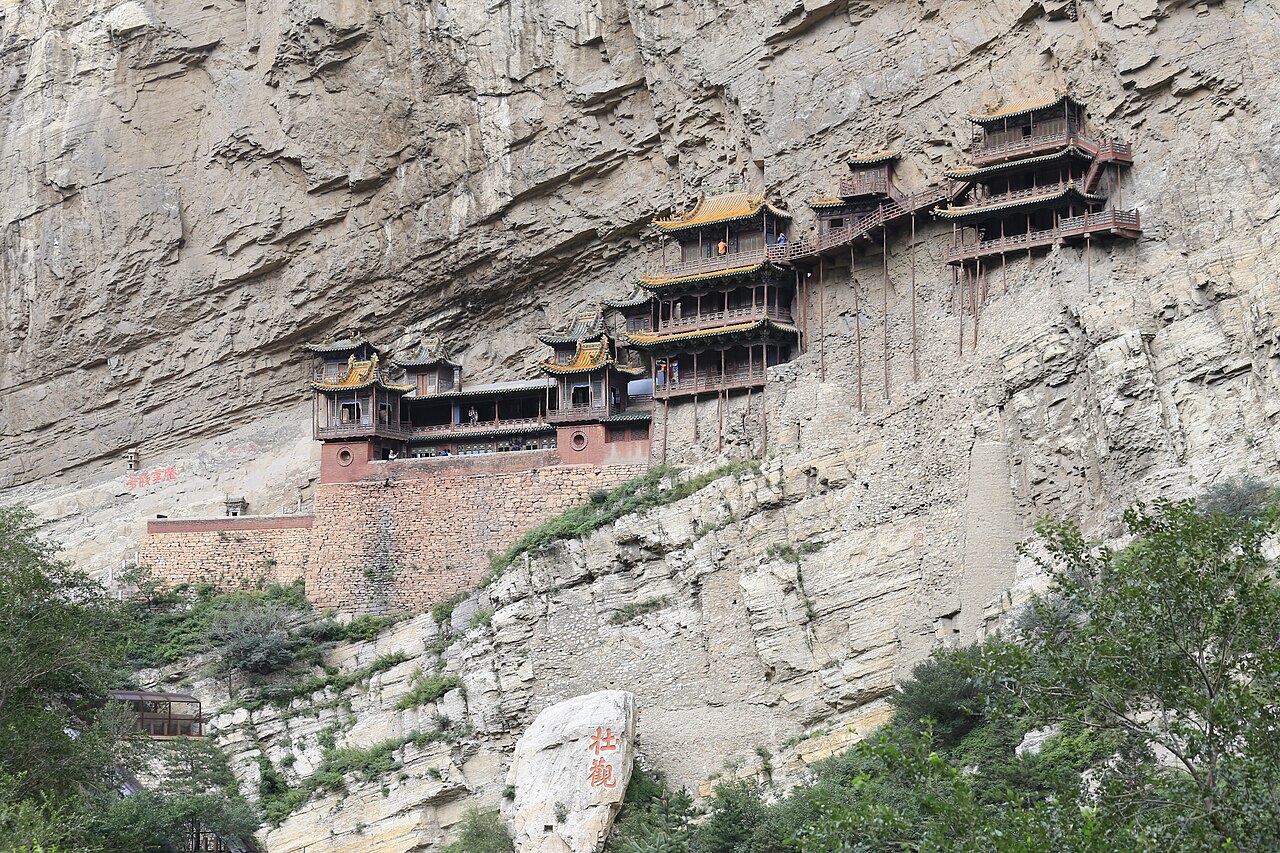
Built in 491 AD during the Northern Wei dynasty, the temple's 40 halls and pavilions are stacked against the cliff inside a natural hollow that shelters them from rain, floods and rockfall. The visible wooden pillars look like they hold everything up, but the real support comes from deep-set beams — the columns mostly steady visitors' nerves.
The temple sits halfway up Jinlong Gorge on Mount Heng, and its position was chosen so the river below couldn't reach it and the mountain peak above couldn't crush it. It survived 15 centuries of earthquakes, which is more than can be said for most contemporary construction.
- Walk the narrow plank walkways and feel the structure creak under your feet — capacity is limited to keep it safe
- Look back from the canyon path for the classic full-face photo of the temple against the cliff
- The Sanjiao Hall, where Buddha, Laozi and Confucius sit side by side
- Combine with the Hengshan cable car for views over the whole canyon
Practical tips
Walkways are narrow and one-way in places — visitors with mobility issues or a fear of heights should view from below. Queues for the climb can reach an hour by midday; arriving at opening time solves this. Photography from the canyon path is free if you skip the climb.
Nearby
The temple is a standard stop on the Datong circuit: Yungang Grottoes, Datong's city walls and Mount Wutai are all in range. The Yingxian Wooden Pagoda is a 40-minute drive away and often bundled on tours.
What to See — Aug 2026 Picks
The Hanging Temple is one of Shanxi’s hottest Xiaohongshu topics in August 2026, thanks to its appearance in the video game Black Myth: Wukong bringing younger visitors. Posts highlight the dramatic new cliff light show “Why Hanging Temple” (何以悬空寺) each evening and the daily cap of roughly 3,260 climbing tickets, which sell out fast in peak season.
Entrance Viewing Platform
Before you even enter the temple, the open viewing area at the base gives you the classic full-frame shot of all 40-odd halls and pavilions clinging to the cliff face. In the morning before 9:30 AM, warm light rakes across the buildings and the canyon wall behind them, producing the signature postcard image. This is also the best spot for a wide-angle panorama showing the temple’s improbable relationship to the gorge.
Three Teachings Hall (Sanjiao Dian)
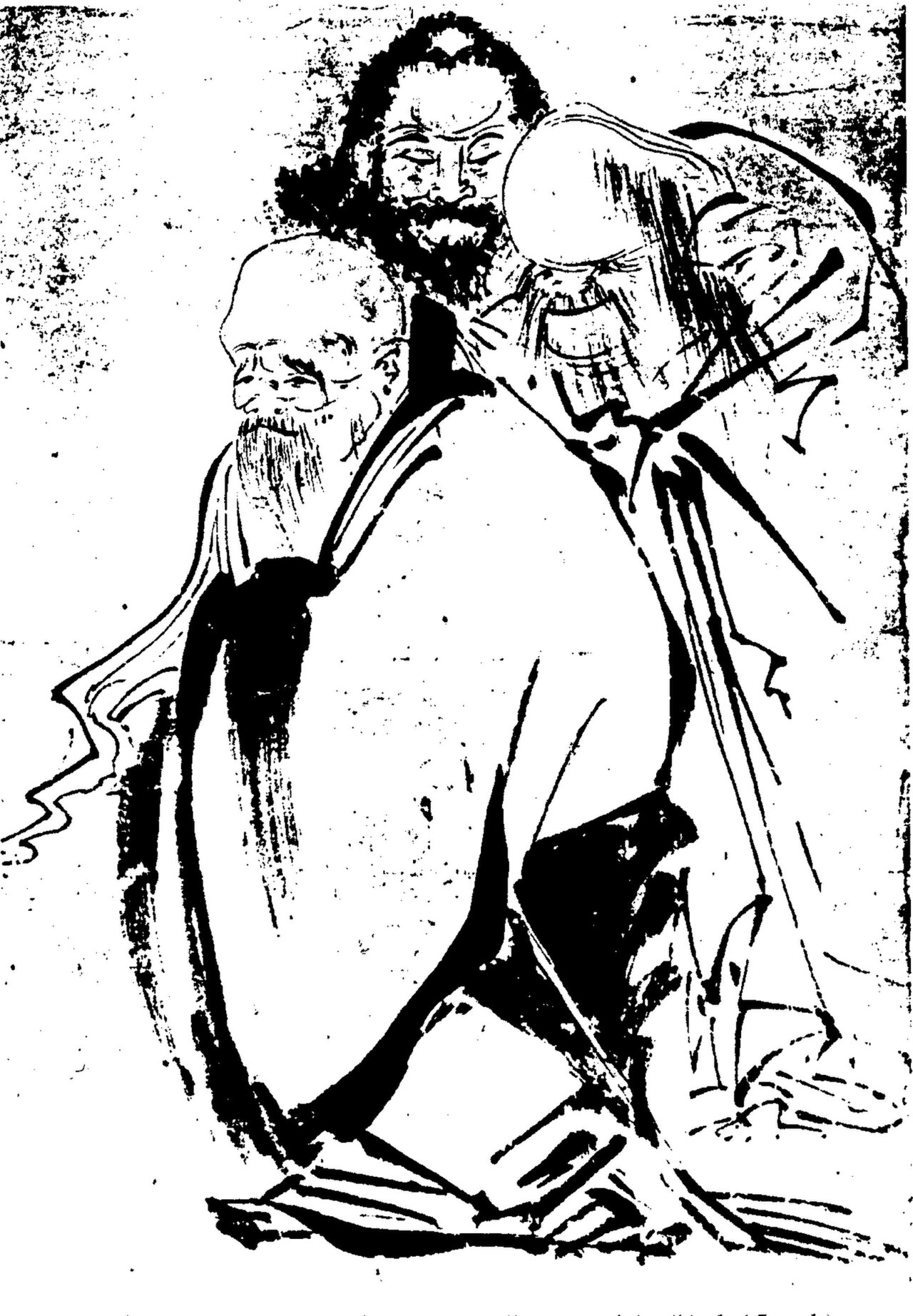
The cultural heart of the Hanging Temple, this hall uniquely enshrines Confucius, Laozi, and the Buddha side by side in a single room — a rare physical embodiment of China’s three-teachings-in-one tradition. It is tucked into the northern cluster of buildings, reached via the narrowest section of the suspended plank walkway. The juxtaposition of three founders in one space, halfway up a cliff, is a photo and a story you will not find anywhere else.
Li Bai’s “Spectacular” Stone Inscription
The Tang Dynasty poet Li Bai visited the Hanging Temple and left a single word carved into stone: “spectacular” (壮观). The carved boulder sits near the base of the temple path, and a low-angle shot with the inscription in the foreground and the temple stack above it compresses 1,500 years of admiration into one frame. Xiaohongshu users love posing beside the character as if echoing the poet’s awe.
Hengshan Reservoir Dam Panorama
Walk a few hundred meters left after exiting the temple to reach the Hengshan Reservoir dam — the best free panoramic photo spot that most tourists skip. From here a telephoto lens compresses the mountain, the reservoir water, and the temple into a single layered composition that maximizes the sense of suspension. This is the angle that best communicates why Time magazine called it one of the world’s most daring buildings.
Suspended Plank Walkway Experience
The narrow wooden walkway connecting the temple’s halls clings to the cliff face 50 meters above the gorge floor, and only one person can pass at a time. Walking it is the signature thrill of the visit — the creaking planks, the open views straight down, and the cool canyon wind create an unforgettable sensory experience. Wear non-slip shoes, leave large bags at the storage counter, and do not attempt it in high winds, as the walkway closes for safety.
“Why Hanging Temple” Cliff Light Show
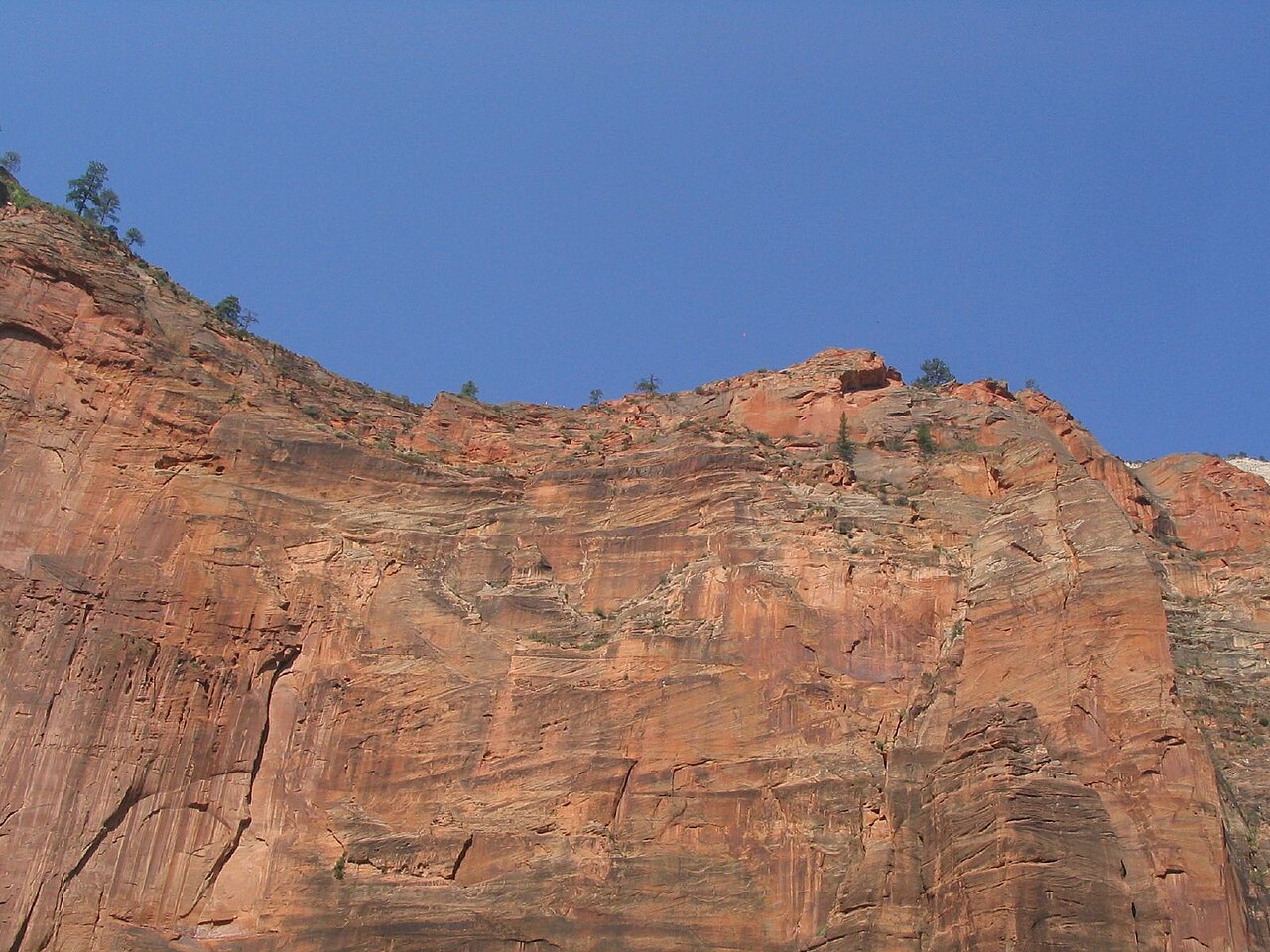
Each evening, a large-scale projection show uses the kilometer-long cliff face behind the temple as a screen, retelling the Northern Wei founding story through light, music, and narration. The show runs at 8:00 PM and tickets start at 198 yuan, available at the site or through the official mini program. It is a relatively new addition that gives visitors a reason to stay in Hunyuan after sunset and see the temple in an entirely different light.
Climbing tickets (100 yuan on top of the 15-yuan entry) are released seven days ahead via the “Beiyue Yunyou” mini program at 7:20 AM and sell out within minutes in August. Arrive at the visitor center by 7:30 AM for the first shuttle bus to beat both the heat and the crowds.
Getting there
- Bus or train from Datong to Hunyuan county, then taxi (~20 min)
- Direct tour buses run from Datong hotels and the train station in peak season
- Built
- 491 AD (Northern Wei)
- Height
- ~50 m above the canyon floor
- Halls
- 40 rooms across three religions