
Why go
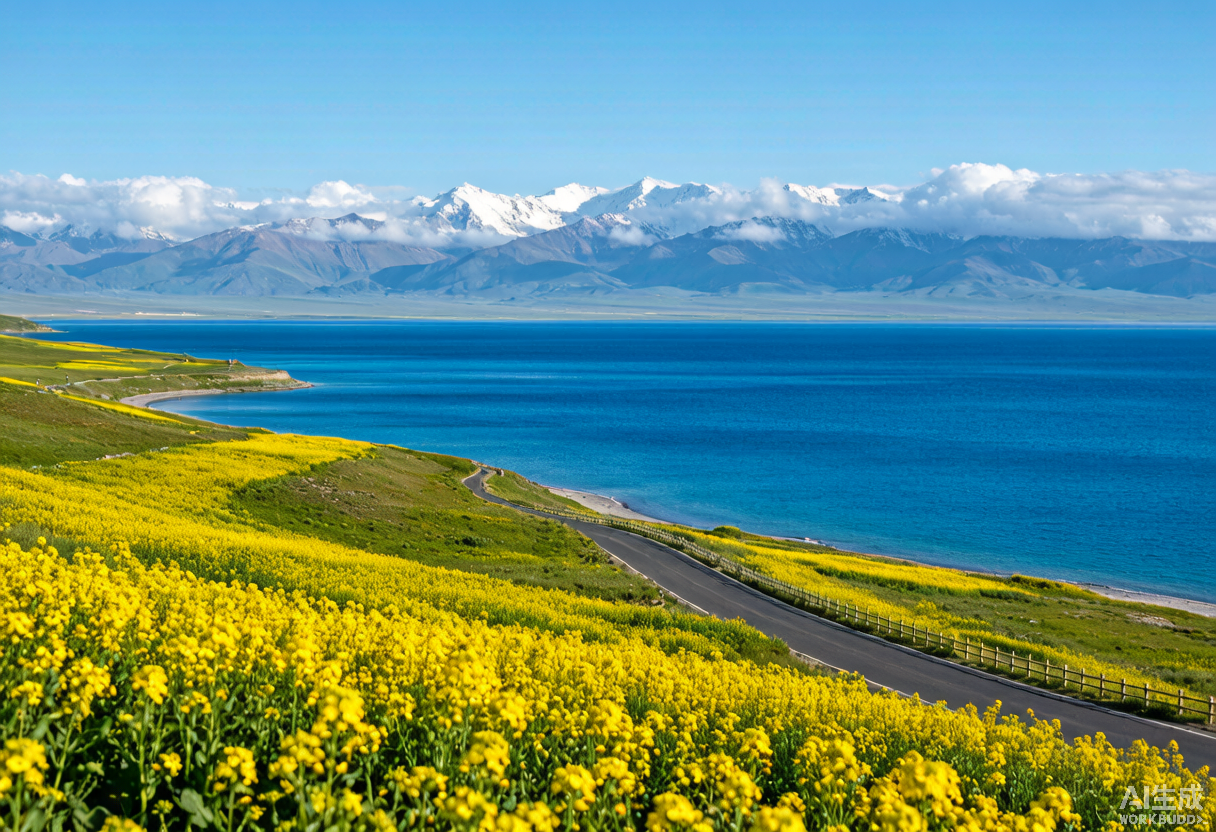
At an average elevation of 4,800 metres, Hoh Xil is too high and too cold for permanent settlement — fewer than 100 people live within its 45,000 sq km. It is the most intact high-altitude ecosystem on the planet, with permafrost, glacier-fed rivers and a chain of salt lakes that host migratory birds and wild ungulates.
The reserve was created in the 1990s after a famous anti-poaching war against the slaughter of chiru for shahtoosh — their underfur wool. The 2004 film Kekexili: Mountain Patrol brought the story to a wide audience. UNESCO inscribed the area in 2017 as a natural World Heritage site.
- The chiru (Tibetan antelope) migration — up to 30,000 animals in autumn
- Zhuonai Lake salt flat and bird islands
- The Sonamdangbay protection station — base of anti-poaching patrols
- Sunrise over the Buqingshan snow peaks
How to visit
Hoh Xil is not a casual destination. Most travellers see it from the Qinghai–Tibet Highway (G109), which runs along the eastern edge of the reserve — the roadside at Kekexili brings chances of wild asses, gazelles and, in autumn, migrating antelope.
Deeper travel requires permits and a licensed tour, usually arranged from Golmud or Xining. The Sonamdangbay protection station can be visited by arrangement; it explains the anti-poaching history and current wildlife monitoring.
Bring altitude-sickness medication, warm layers and a serious vehicle. There are no services inside the reserve; all travel is self-sufficient.
Practical notes
Acclimatise in Xining or Golmud for at least two days before going above 4,000 metres. Avoid winter entirely — the reserve is below -40 °C. Summer days can still be near freezing at night. Never approach the wildlife, especially the chiru during migration.
Getting there
- G109 highway (Qinghai–Tibet road) passes the eastern edge
- Train to Golmud, then organised tour
- Area
- c. 45,000 sq km
- Average altitude
- 4,800 m
- UNESCO
- World Heritage since 2017