

Why go
The four peaks are named in Chinese as sisters — Dafeng, Erfeng, Sanfeng and Yaomei — and climbing them is a rite of passage for Chinese alpinists. Dafeng (5,025 m) is a non-technical snow climb done by fit hikers with a guide; the higher sisters are for real mountaineers.
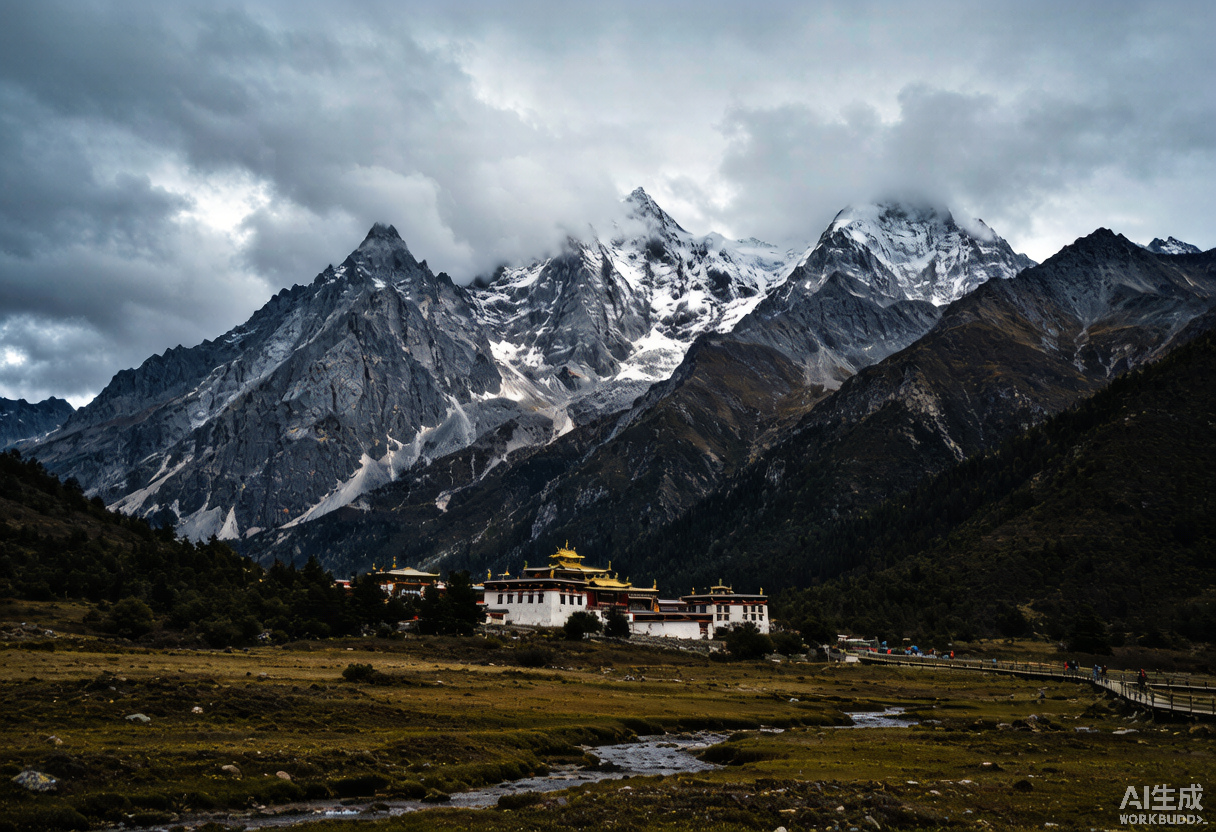
Most visitors come for the valleys, not the summits. Shuangqiaogou is the showpiece: a flat shuttle road and boardwalk into the heart of the peaks, then a cable car to a meadow at ~3,800 metres with the whole snow wall behind you. Changpinggou and Haizigou are wilder, with horses and tents.
- Shuangqiaogou (Double Bridge Valley): boardwalks and a cable car up to the peak views
- Yaomei, the 6,250 m 'elder sister', visible from the valley floors
- Changpinggou on foot or horseback, riding toward the mountain wall
- Balangshan Pass at 4,500 m — panoramic ridge views on the road in from Wolong
Choosing a valley
Shuangqiaogou: easiest and most scenic, half to full day, cable car optional. Changpinggou: 3–6 hours of walking or riding toward the summits, closest view of Yaomei. Haizigou: lake and meadow country, best for an overnight camp — the local authorities require registration and a guide for camping.
Practical tips
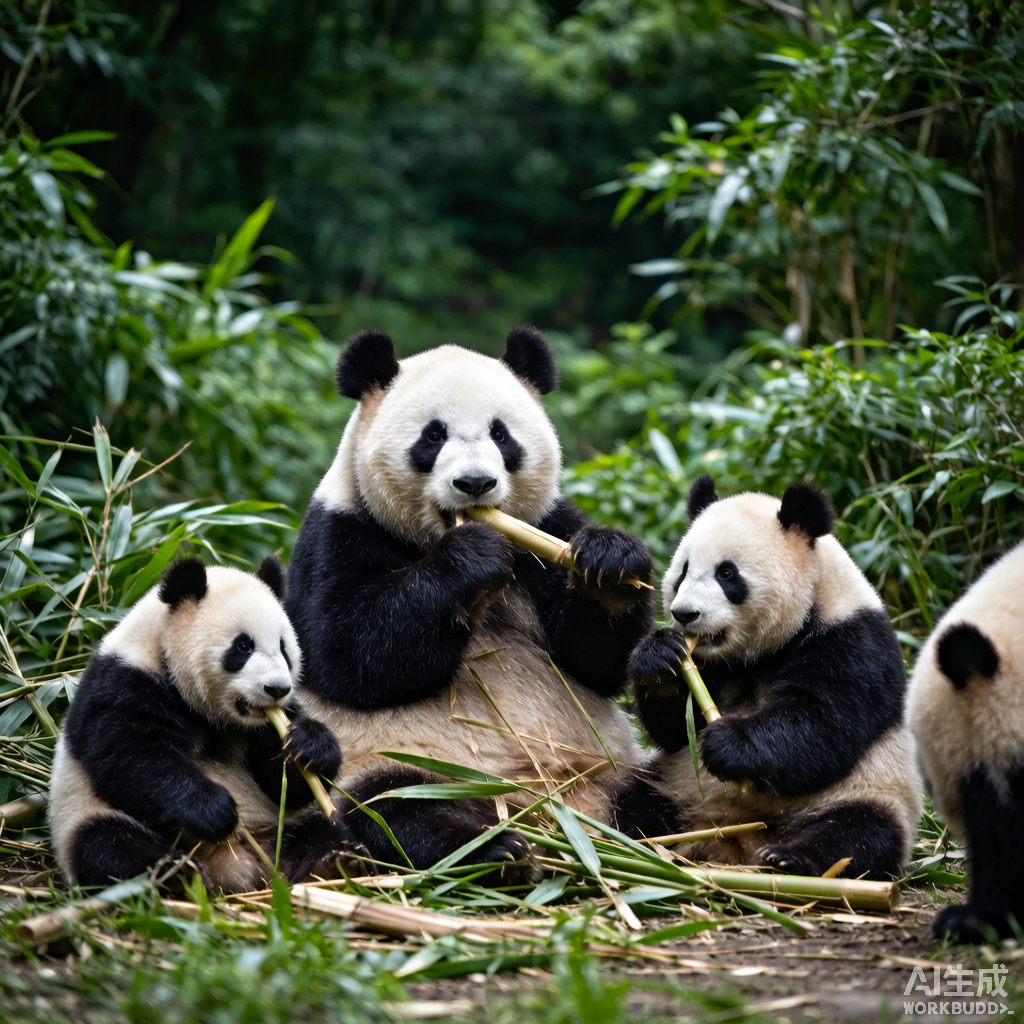
Balangshan Pass on the drive in is worth stopping at — 4,500 metres, golden ridges, and the chance to see wild panda habitat (the road tunnel now bypasses the old pass route; request the scenic detour). Altitude at the valleys is 3,000 m+, so sleep low the first night and go slow. Pack for cold mornings even in summer.
Getting there
- Bus or private car from Chengdu via Wolong and Balangshan Pass (~4h)
- Highest peak
- Yaomei, 6,250 m
- Climb
- Dafeng (5,025 m) — non-technical, guided
- Valleys
- Shuangqiaogou, Changpinggou, Haizigou