
Why go
If you want one museum to understand where Chinese civilisation began, this is a strong candidate. Henan's soil holds the Shang capitals at Anyang and Zhengzhou, the Zhou ritual centres, and a chain of later imperial capitals — and the museum arranges it all in a clear chronological climb from prehistory to the Song.
- The Jiahu bone flutes — 8,000-year-old instruments still capable of playing scales
- Shang and Zhou bronze ritual vessels from the Yellow River heartland
- The jade burial suit sewn with gold thread from a Han prince's tomb
- Musicians perform free concerts on replicated ancient instruments at scheduled times
What to look for
Begin on the ground floor with the Neolithic galleries and the Jiahu bone flutes, carved from crane wing bones 8,000 years ago. Move up through Shang bronzes — the museum's ding cauldrons and gui food vessels are among the finest anywhere — to the Han jade burial suit, thousands of jade plaques stitched with gold wire. The Tang and Song floors cover Luoyang and Kaifeng's golden ages, ending with delicate Ru-ware ceramics, the rarest porcelain in the world.
Plan your visit
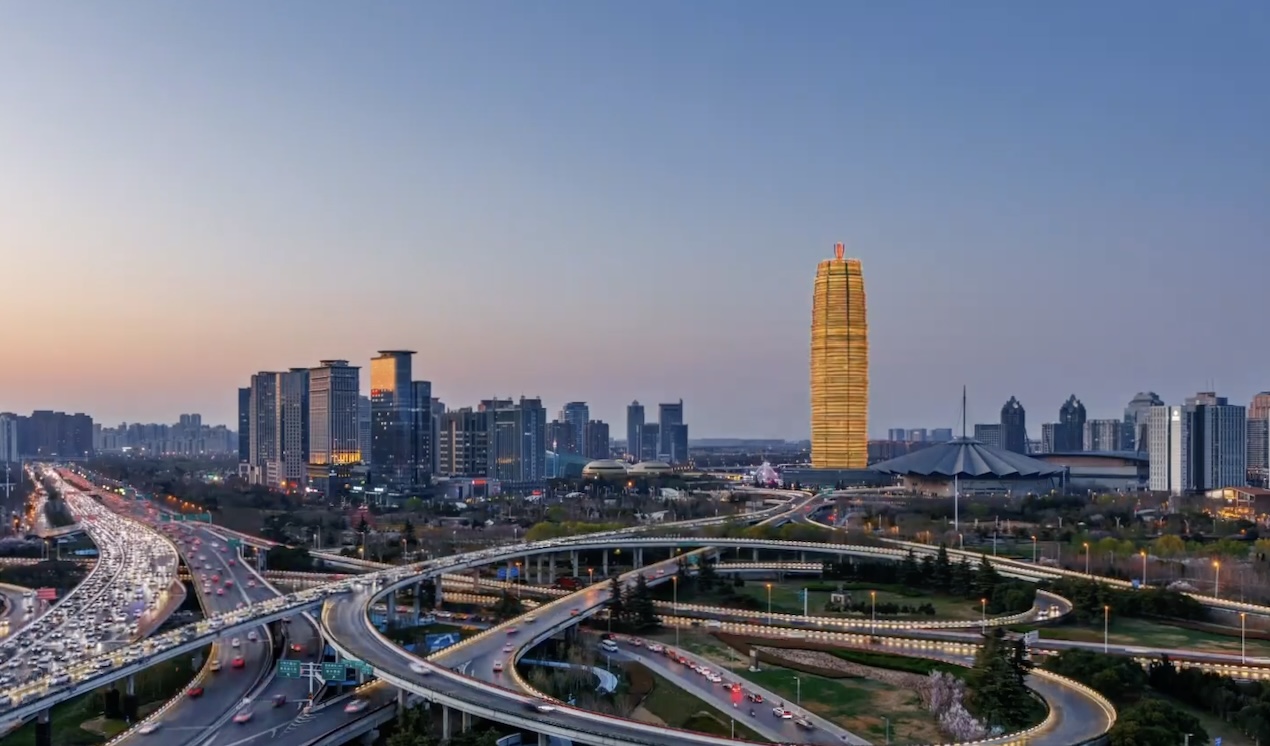
The free ancient-music concerts are a highlight — replica Shang chime bells and bone flutes performed by costumed musicians; times are posted at the entrance. Most visitors spend two to three hours. English labels exist but are patchy on some floors, so the audio guide is worth the small fee. Zhengzhou itself is a transport hub, so this museum is easy to slot between Luoyang, Kaifeng, and Dengfeng trips.
Getting there
- Bus B1 or 61 to Nongye Road; metro Line 2 to Guanhutun then a short taxi ride; taxis from Zhengzhou East station take about 20 minutes
- Collection
- 170,000+ objects
- Oldest item
- Jiahu bone flutes, ~8,000 years old
- Admission
- Free (passport required)