
Why go
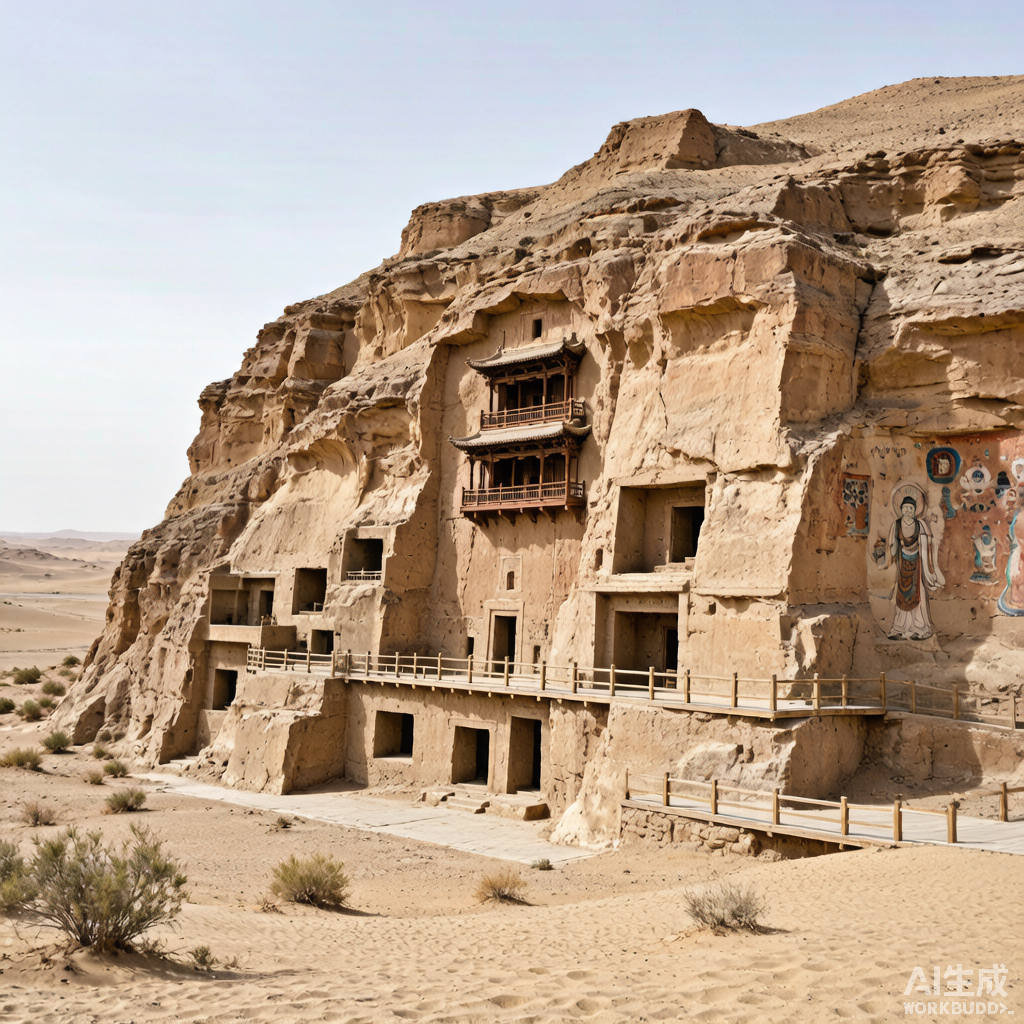
Silk Road merchants and monks funded the caves, which grew into a wall of painted scripture: Buddhas, bodhisattvas, flying apsaras and everyday scenes of Tang life. The colours were made from lapis, malachite and gold — and they still glow.
In 1900 a monk opened a sealed cave and found 50,000 manuscripts and paintings — the era's greatest archival discovery, now scattered across the world's libraries.
- The guided cave tours — every cave visit is a curated choice from over 700
- The great reclining Buddha cave and the 35-metre statue cave
- The Library Cave's story — 50,000 manuscripts lost and found
- The digital exhibition centre before the caves proper
Practical tips
You will see 8–12 caves on the standard tour; every group is shown a different selection. Photography is forbidden inside — put the camera away and look. The cave interiors are dim; let your eyes adjust. The replica caves at the visitor centre let you photograph freely.
Nearby
Dunhuang's sand dunes at Mingsha Mountain and the crescent lake are surreal and worth an afternoon. The Yumen and Yangguan passes are the old gateways of the Silk Road.
Getting there
- Fly or take a train to Dunhuang, then a 20-min taxi to the visitor centre
- Caves
- 735 grottoes
- Span
- 4th–14th century
- Status
- UNESCO World Heritage (1987)