
Why go
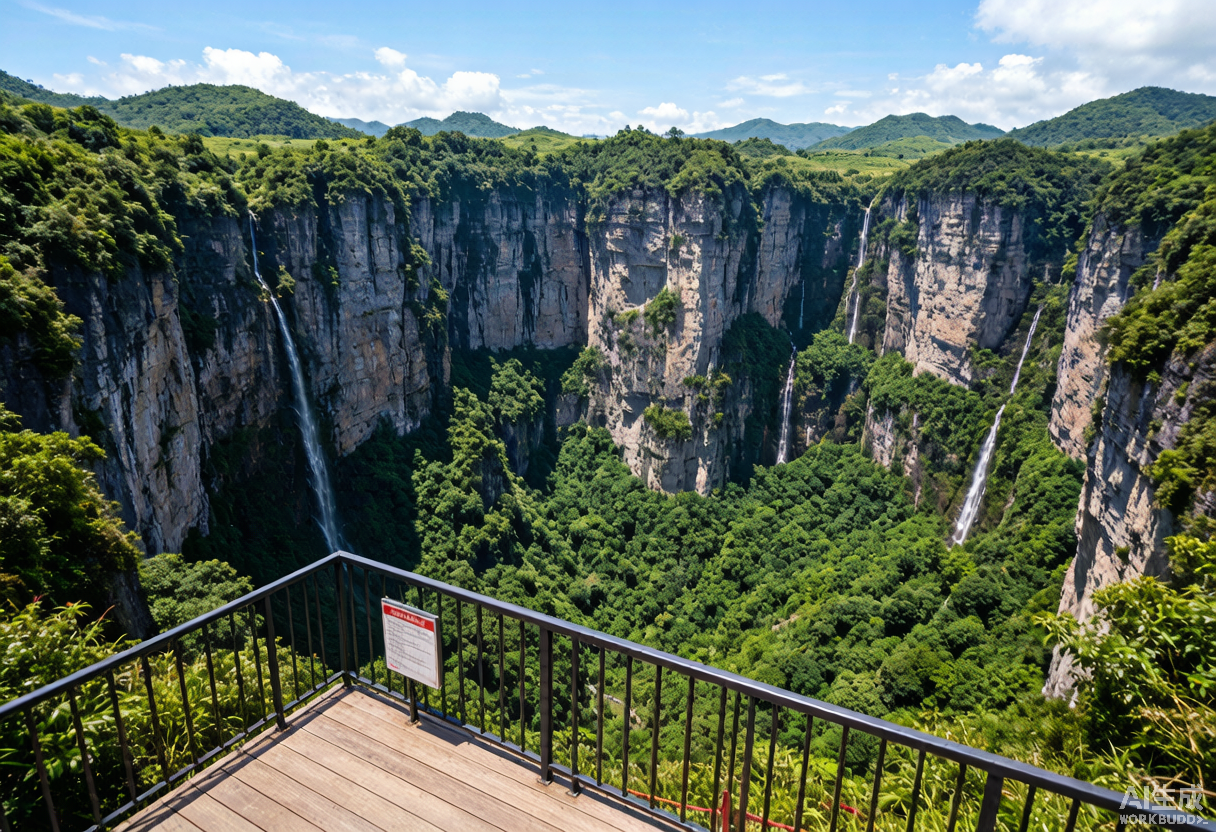
Libo sits at the heart of the South China Karst, the UNESCO World Heritage karst province that runs across Guizhou and Guangxi. The landscape above ground is the famous one — misty limestone towers, green rivers and terraced rice. But the karst's real architecture is underground: dissolving limestone has hollowed the hills into miles of linked chambers, some still largely untouched.
The Maolan karst forest offers the raw version: guided trips squeeze through narrow passages, traverse underground streams and emerge from hillsides hours later. The Xiaoqikong area, minutes away, is the family-friendly contrast — boardwalks, waterfalls and the seven-arch bridge that gives the site its name.
- Guided cave expeditions through Maolan's undeveloped karst — crawl sections, boulder climbs and cathedral chambers
- Underground rivers and hidden lakes that only torchlight reveals
- The Xiaoqikong scenic area for the tame version: the 68-tier waterfall and the famous seven-arch bridge
- A landscape that feels genuinely unexplored — parts of Maolan still get their first visitors
Practical tips
Expect to get dirty and wet — old hiking boots or wellies beat anything else. Helmets and headlamps come from the operator; bring a spare head-torch if you have one. The caves are a constant ~15°C regardless of season, so a light layer stays useful even in summer. Go in the dry season; after heavy rain the underground rivers rise and expeditions are cancelled.
Nearby
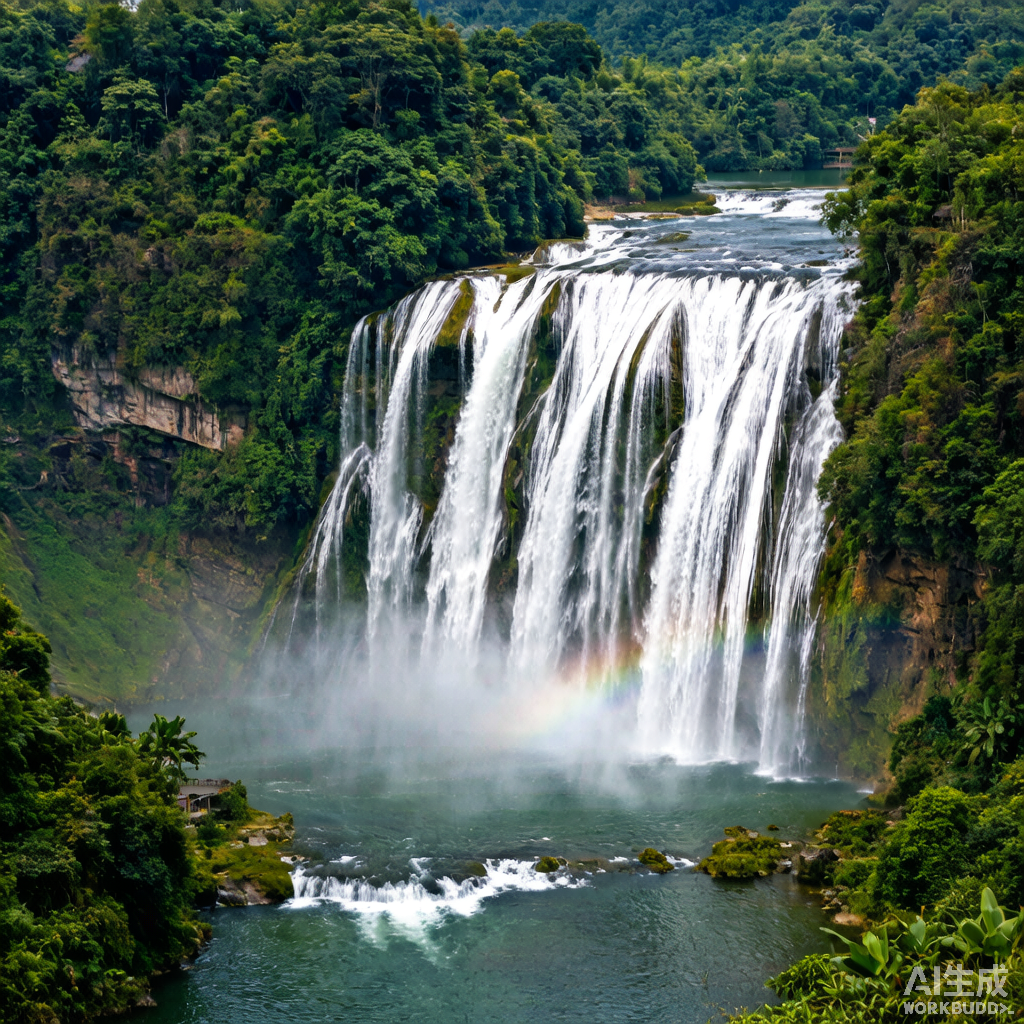
Xiaoqikong's blue-green pools and the 68-tier cascades are the area's headliner, a full day on boardwalks. The Daqikong (Big Seven Arch) site next door is wilder and quieter. Beyond Libo, Guizhou's karst continues north toward Huangguoshu waterfall and Guiyang.
Getting there
- High-speed rail to Libo station, then a taxi or shuttle to Xiaoqikong or Maolan (30–60 min)
- Area
- Maolan karst forest + Xiaoqikong, Libo
- Terrain
- Caves, sinkholes and underground rivers
- Status
- South China Karst, UNESCO World Heritage