
Why go
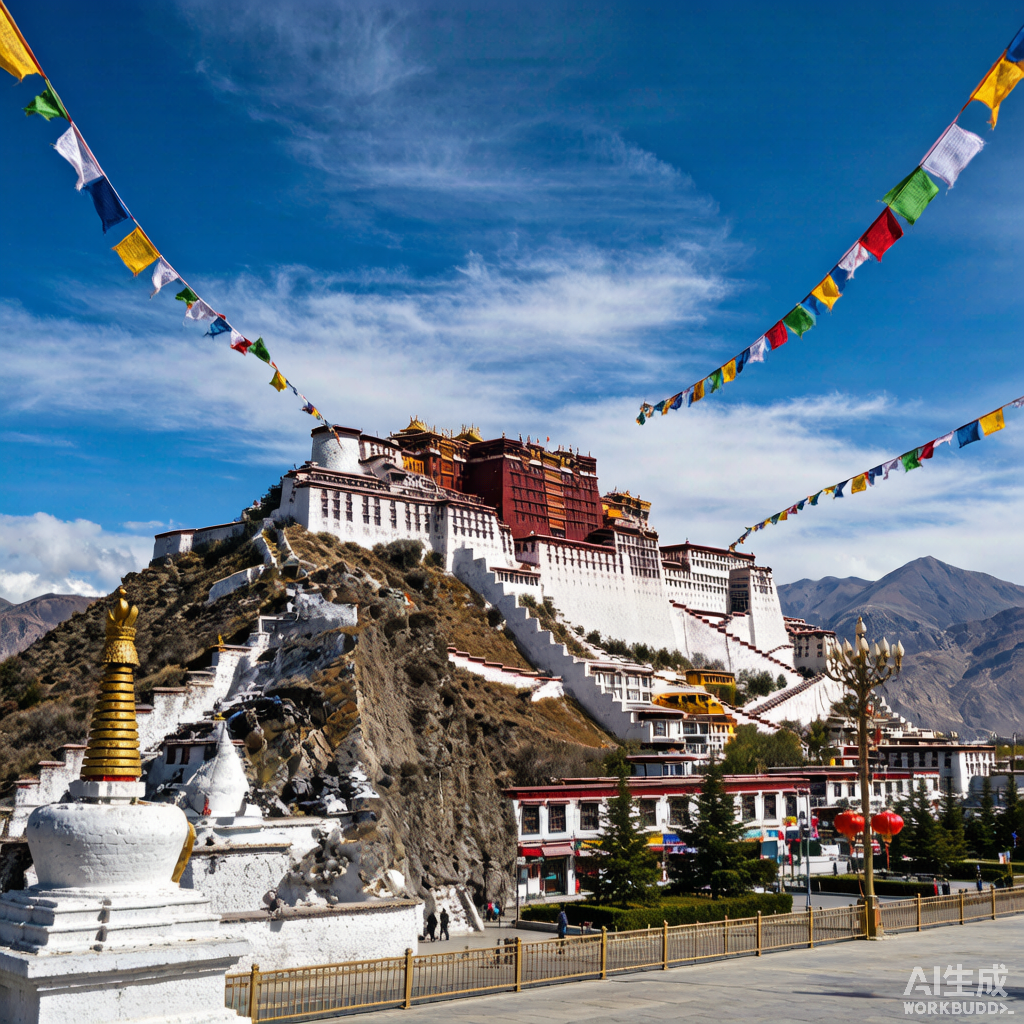
The palace was begun in the 7th century and rebuilt to its current form by the 5th Dalai Lama in the 1600s. It functioned as fortress, monastery and government — the winter palace of the Dalai Lamas until 1959.
Inside, the route is a sequence of dark, fragrant halls: silk banners, yak-butter lamps, golden stupas and thousand-year-old murals. The tomb stupa of the 5th Dalai Lama alone is wrapped in 3,700 kilograms of gold.
- The Red Palace — the sacred heart with the golden chorten tombs
- The White Palace — the secular administrative halls and audience rooms
- The panoramic rooftop views over Lhasa valley
- The sheer climb — 300 metres of stairs at 3,650 metres altitude
Practical tips
Acclimatise in Lhasa for at least a day before climbing the palace stairs — the altitude makes the 300-metre climb serious. Go early in your allotted window. Dress respectfully (shoulders and knees covered). No photography inside the chapels.
Nearby
The Jokhang Temple and Barkhor pilgrimage circuit are the religious heart of Lhasa, and the Sera Monastery's debating monks are a unique sight. Give Tibet a minimum of 4 days to adjust to altitude.
Getting there
- Fly to Lhasa Gonggar Airport (2h) or the Qinghai–Tibet rail from Xining
- Rooms
- 1,000+ (legend)
- Height
- 117 m on Red Hill
- Status
- UNESCO World Heritage (1994)