
Why go
The Zuojiang rock art is painted in red ochre on the vertical limestone faces that rise from the riverbanks. The images — mostly stylised human figures with raised arms, plus drums, dogs and bronze drums — were created by the ancestors of today's Zhuang people over many centuries.
The purpose of the paintings remains debated: ritual, ancestor worship, fertility ceremonies or records of tribal gatherings. UNESCO inscribed 38 rock-art sites along 105 km of river in 2016, recognising them as the largest and best-preserved pre-Han rock-art landscape in southern China.
- Huashan Cliff — the densest painted panel, with over 1,900 figures
- A river cruise on the Zuojiang between the painted cliffs
- The Zhuang minority villages of Ningming County
- The Bingyang and Mingjiang river gorges
What to see
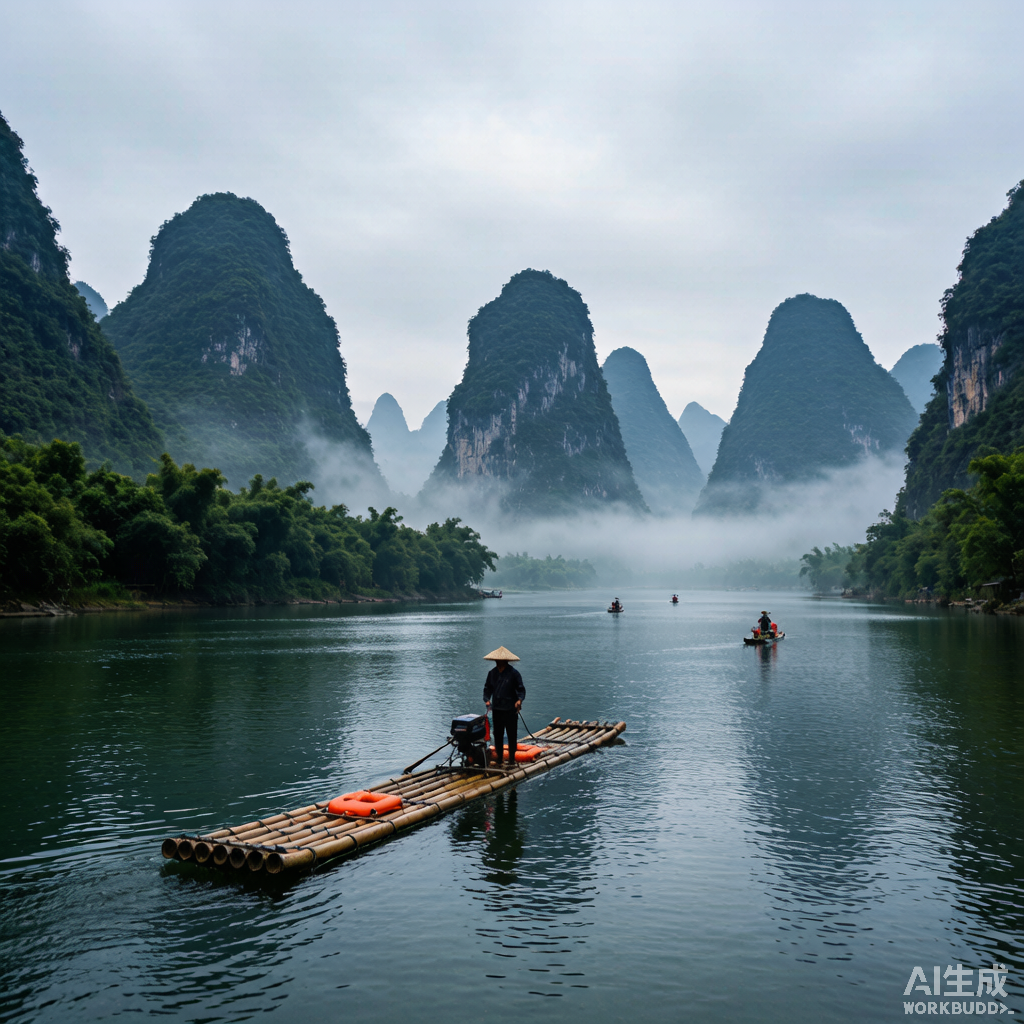
Take the river cruise from the Ningming pier — the boat passes several painted cliffs before stopping at the main Huashan panel, where the cliff is densely covered with over 1,900 red figures visible from the water.
The cruise takes about 2 hours round trip. Guides explain the dating, the Luoyue culture and the still-mysterious techniques used to paint the cliff faces tens of metres above the river.
Back in Ningming, the Huashan Rock Art Cultural Museum displays reproductions and finds from the surrounding villages — including bronze drums similar to those painted on the cliffs.
Practical notes
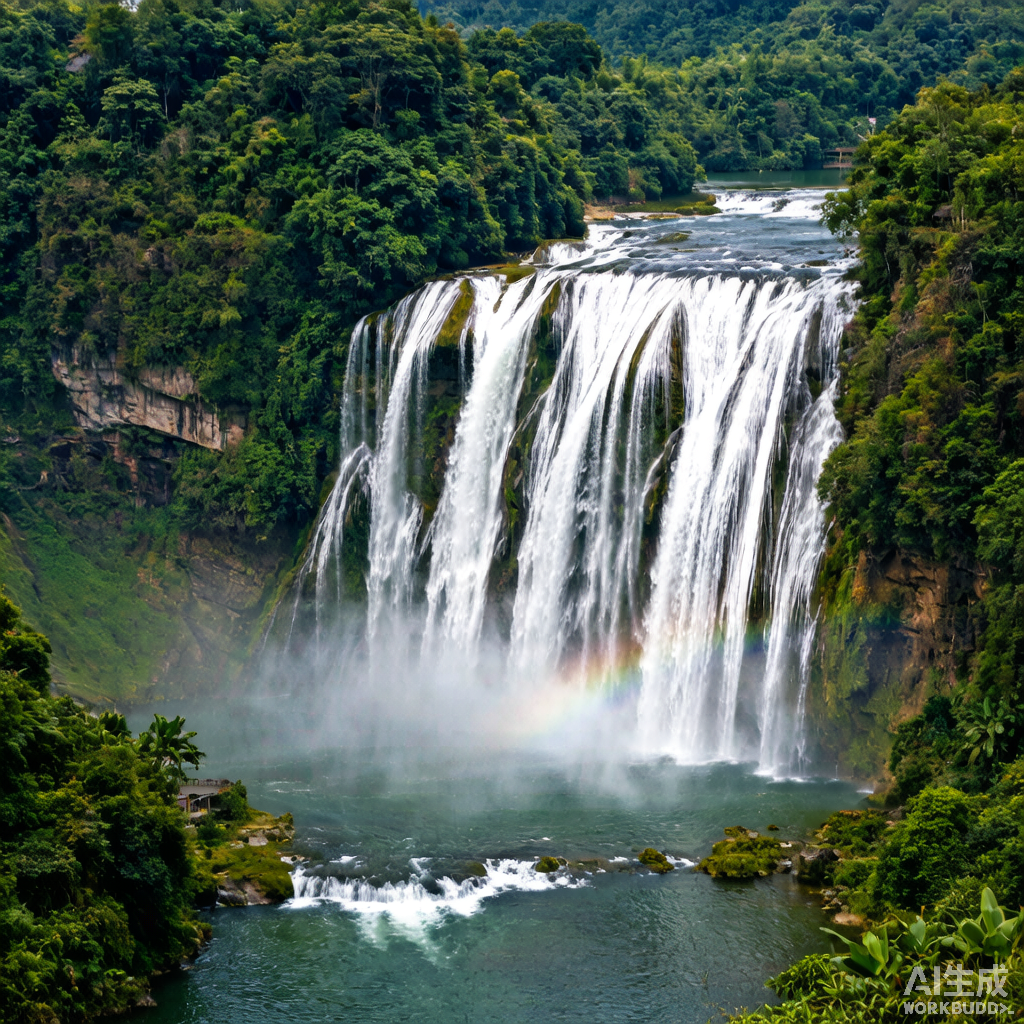
The cruise runs in dry season (October to April) when the river level is ideal. Summer rains can flood the lower banks and obscure lower figures. Pair with the Detian Waterfall, about 90 minutes away, for a full southwest Guangxi day.
Getting there
- High-speed train to Chongzuo, then bus or taxi to Ningming
- Cruise departs from Ningming County pier
- Age
- c. 2,000–1,000 years (Warring States to Eastern Han)
- Figures
- Over 4,000 across 38 sites
- UNESCO
- World Heritage since 2016