Why go
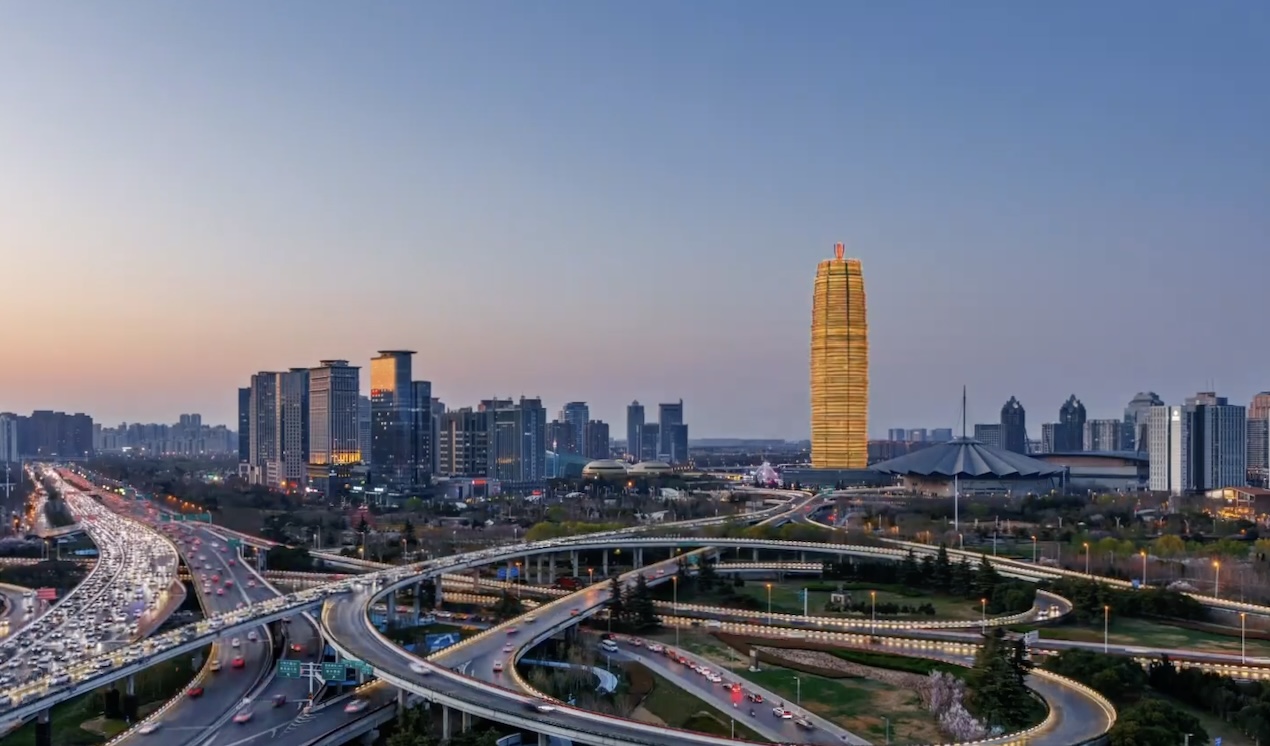
Luoyang was capital to thirteen dynasties, from the Eastern Zhou through to the Tang, and the museum walks you through that sweep of history in a series of chronologically arranged halls. The building itself — a monumental pavilion on Sui-Tang axis — sits in the New District, far from the tourist crush of the old town.
- Tang dynasty sancai (three-colour glazed) ceramics from Luoyang's tombs
- The Cao Wei–Jin gallery, covering a chaotic but brilliant era of Chinese art
- Gold and silver court objects from the imperial Heluo heartland
- Free admission with excellent English labels in the main galleries
What to look for
Start with the Heluo Civilisation gallery for Neolithic and Bronze Age finds, then move through the Han, Wei-Jin, and Tang halls. The sancai collection is the star: camels, horses, and court ladies in amber, green, and cream glazes, made for Tang tombs around Luoyang. Don't miss the jade burial pieces and the delicate Northern Wei porcelain — some of the earliest white porcelain in China, fired just outside the city.
Plan your visit
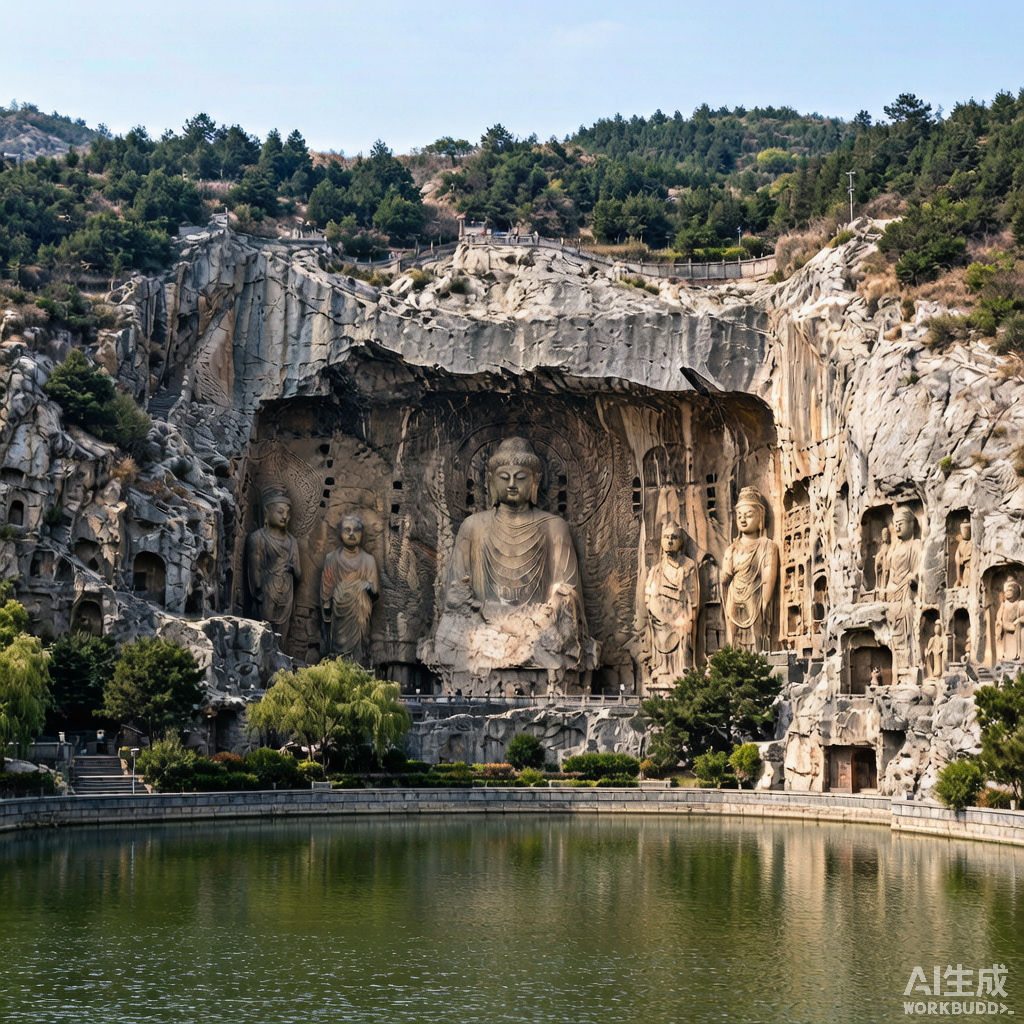
Visit the museum before the Longmen Grottoes — the Buddhist gallery here explains how the grottoes were made and why. Allow two to three hours. English labels are decent, and free audio guides can be borrowed with a deposit. Combine it with the Luoyang Ancient Tombs Museum elsewhere in the city if you have a full day for archaeology.
Getting there
- Bus 77 or 29 from Luoyang railway station area; a taxi from central Luoyang takes about 15–20 minutes
- Collection
- 400,000+ artefacts from 13-dynasty capital
- Signature
- Tang sancai glazed ceramics
- Admission
- Free (bring passport)